
1. Introduction to Stainless Steel Coils
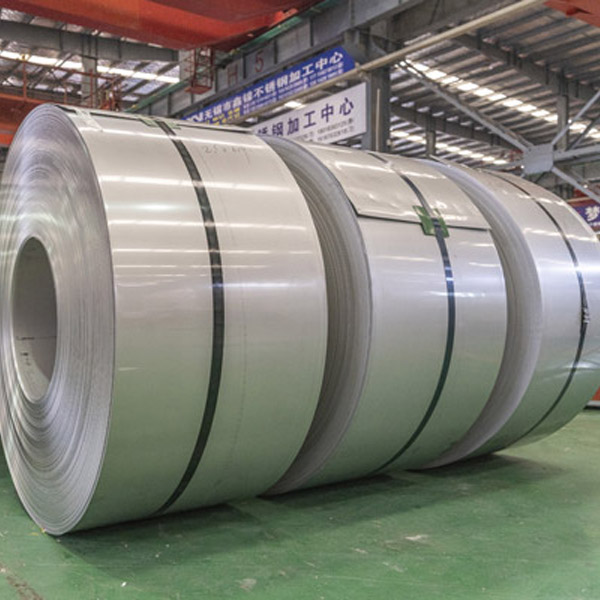
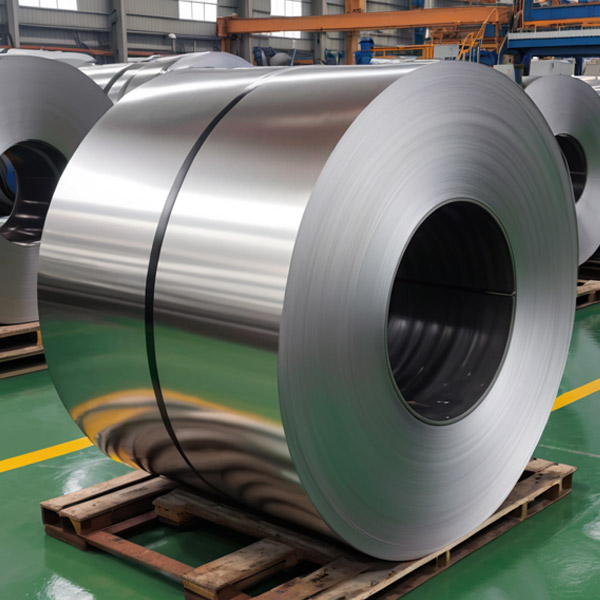
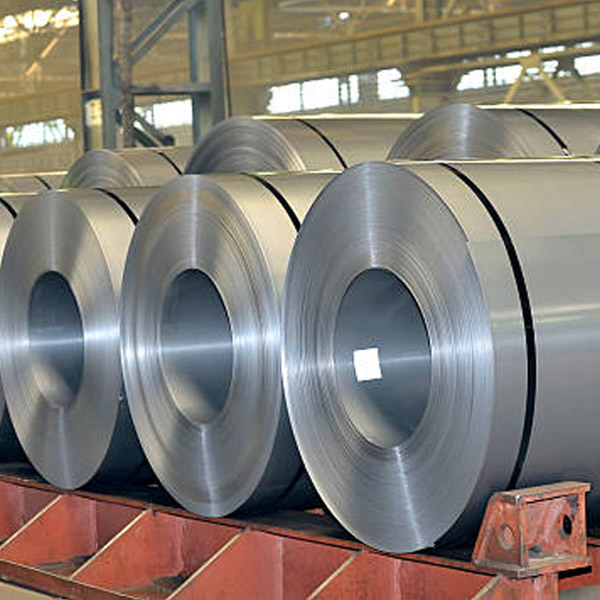
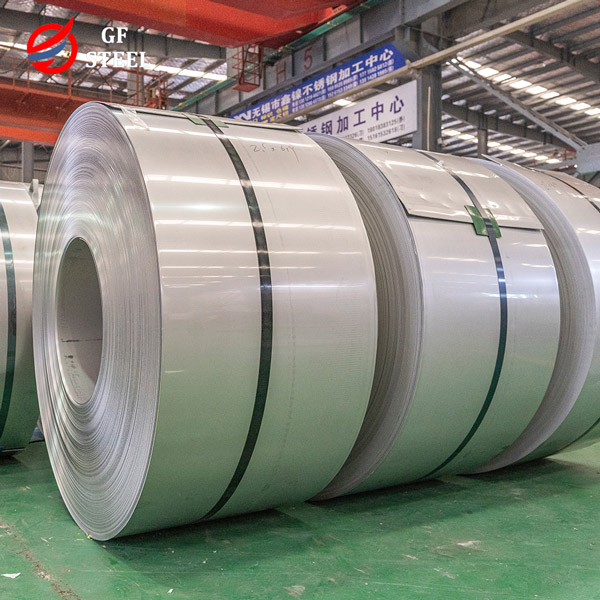
Stainless steel coil refers to a continuous strip of stainless steel that has been wound into coil form. These coils are essential semi-finished products used across various industries including construction, automotive, energy, and food processing. Stainless steel coils are known for their corrosion resistance, durability, and aesthetic appeal, making them suitable for a wide range of demanding applications.
The coiled form allows for efficient transportation, storage, and processing, enabling manufacturers to cut and shape the material into sheets, strips, or other customized formats according to specific requirements.
2. Key Characteristics of Stainless Steel Coils
2.1 Corrosion Resistance
Stainless steel contains at least 10.5% chromium, which forms a passive layer of chromium oxide on the surface, offering excellent resistance to rust and corrosion. This makes stainless steel coils suitable for use in harsh or corrosive environments, including marine, chemical, and high-humidity conditions.
2.2 Strength and Durability
Stainless steel coils maintain high tensile strength and structural integrity even at elevated temperatures. Austenitic stainless steels, such as 304 and 316, are especially known for their toughness.
2.3 Temperature Resistance
Many grades of stainless steel can withstand extreme temperatures, making coils suitable for both cryogenic and high-heat environments.
2.4 Aesthetic Finish
Stainless steel coils can be delivered with various surface finishes such as 2B, BA (bright annealed), brushed, or mirror-polished, depending on the application and visual requirements.
2.5 Workability
Stainless steel coils can be easily cut, formed, welded, and fabricated, offering excellent flexibility during manufacturing processes.
3. Common Grades of Stainless Steel Used in Coils
| Grade | Description | Typical Applications |
|---|---|---|
| 304 | Most common austenitic grade; good corrosion resistance and weldability | Kitchenware, architecture, tanks |
| 316 | Higher corrosion resistance due to molybdenum content | Marine, chemical, food processing |
| 201 | Lower cost alternative with less nickel | Automotive trim, appliances |
| 430 | Ferritic grade with good corrosion resistance | Exhaust systems, decorative panels |
| 409 | Used primarily in automotive exhaust systems | Automotive, industrial equipment |

4. Types of Stainless Steel Coils
4.1 Hot Rolled Stainless Steel Coil
- Produced at high temperatures (above recrystallization point)
- Coarser surface finish
- Lower precision and tighter tolerances
- Used in structural and industrial applications
4.2 Cold Rolled Stainless Steel Coil
- Rolled at or near room temperature
- Higher dimensional accuracy
- Smoother surface and better mechanical properties
- Ideal for applications requiring precision and aesthetics
5. Stainless Steel Coil Finishes
| Finish | Description | Applications |
|---|---|---|
| 2B | Smooth, matte finish after cold rolling and annealing | General use, industrial |
| BA | Bright annealed mirror-like finish | Appliances, architecture |
| No. 4 | Brushed finish | Kitchen equipment, elevators |
| No. 8 | Mirror finish | Decorative panels, signage |
| HRAP | Hot rolled, annealed, and pickled | Construction, heavy-duty parts |
6. Manufacturing Process of Stainless Steel Coils
6.1 Melting and Casting
Stainless steel is first melted in an electric arc furnace (EAF) and then cast into slabs.
6.2 Hot Rolling
The slabs are heated and passed through hot rolling mills to reduce thickness.
6.3 Annealing and Pickling
Hot rolled coils are annealed to relieve internal stresses and pickled to remove scale, restoring the bright appearance.
6.4 Cold Rolling (Optional)
Coils are further rolled at room temperature for thinner gauges and higher precision.
6.5 Slitting or Cutting
Depending on the customer’s requirement, coils can be slit into narrow strips or cut into sheets.
6.6 Surface Finishing
The desired surface finish is applied using polishing or brushing machines.
7. Coil Sizes and Dimensions
| Specification | Range |
|---|---|
| Thickness | 0.2 mm to 12 mm |
| Width | 20 mm to 2000 mm |
| Coil ID | 508 mm or 610 mm |
| Coil Weight | Up to 25 tons |
| Edge Condition | Slit edge, mill edge |
8. Applications of Stainless Steel Coils
8.1 Construction and Architecture
- Wall cladding
- Roofing
- Handrails and façades
- Expansion joints
8.2 Automotive
- Exhaust systems
- Trim parts
- Heat shields
8.3 Food and Beverage Industry
- Processing equipment
- Storage tanks
- Conveyor systems
8.4 Chemical and Pharmaceutical
- Reactors and pressure vessels
- Cleanroom components
- Acid-resistant storage
8.5 Appliances
- Refrigerators
- Ovens
- Dishwashers
8.6 Energy Sector
- Heat exchangers
- Nuclear reactors
- Solar panel supports
9. Advantages of Stainless Steel Coil
- Long lifespan due to corrosion and heat resistance
- Low maintenance, reducing total cost of ownership
- Recyclability: 100% recyclable, making it environmentally friendly
- Versatile for fabrication, forming, and joining
- Consistency in quality across lengths and batches
10. Storage and Handling of Stainless Steel Coils
10.1 Storage Guidelines
- Store indoors to prevent moisture contact
- Use plastic or rubber separators to avoid scratches
- Avoid contact with carbon steel
10.2 Handling Recommendations
- Use padded lifting equipment
- Avoid dragging coils across floors
- Wear gloves to prevent surface contamination
Proper handling ensures preservation of surface finish and prevents damage during transportation or processing.
11. Quality Control and Testing
Stainless steel coils undergo rigorous testing to ensure compliance with industry standards:
- Chemical analysis for composition verification
- Mechanical tests (tensile, yield, elongation)
- Surface inspection for scratches, pitting, inclusions
- Ultrasonic testing for internal flaws
- Dimensional checks for thickness and width tolerance
Certifications such as ISO 9001, ASTM, EN, and JIS standards are often required for traceability and quality assurance.
12. Global Market Trends
12.1 Growth in Emerging Markets
Rising construction and industrialization in Asia-Pacific and Africa are increasing demand for stainless steel coils.
12.2 Green Energy
Use in solar and wind energy structures is expanding due to corrosion resistance and longevity.
12.3 Customization and Value-Added Services
Buyers are increasingly requesting:
- Pre-polished coils
- PVC-coated surfaces
- Laser-cut blanks
13. Frequently Asked Questions (FAQ)
Q1: What is the difference between hot rolled and cold rolled stainless steel coils?
Hot rolled coils have a rougher surface and less precision, suitable for structural applications. Cold rolled coils are smoother and more precise, ideal for aesthetic or exacting environments.
Q2: Can stainless steel coils be welded?
Yes, most grades (especially 304 and 316) are easily weldable using TIG or MIG techniques.
Q3: How long can stainless steel coils last?
Depending on the environment, stainless steel can last decades with minimal corrosion or degradation.
Q4: Are stainless steel coils magnetic?
Austenitic grades (e.g., 304, 316) are generally non-magnetic, while ferritic grades (e.g., 430) are magnetic.
Q5: What is the MOQ for stainless steel coils?
Minimum order quantity varies by supplier, typically from 1 to 5 tons.
14. Conclusion
Stainless steel coils are a critical material in modern industrial applications due to their versatility, durability, and high performance. With a wide range of grades, finishes, and sizes, these coils meet the demands of construction, automotive, food processing, and chemical industries.
Understanding the specifications, manufacturing processes, and proper handling of stainless steel coils ensures optimal material selection and improved project outcomes. Whether you are a distributor, fabricator, or end-user, choosing the right type and grade of coil is essential to achieving operational efficiency, cost-effectiveness, and product longevity.

Comment (1)
I need 201 great and 304great steelness steel mother coil
I am from Bangladesh my WhatsApp number 01975533075