

In the world of metallurgy and material science, stainless steel holds a prominent position due to its unique combination of strength, corrosion resistance, and aesthetic appeal. Among the various grades of stainless steel, 316 stainless steel is especially notable for its superior resistance to chloride environments, such as salt water and chemical solutions.
316 stainless steel is often referred to as marine-grade stainless steel due to its high resistance to corrosion in marine and chloride-rich conditions. It is widely used in industries ranging from marine engineering and chemical processing to medical equipment and food production.
This comprehensive article explores the chemistry, properties, fabrication techniques, variants, and industrial uses of 316 stainless steel, providing insights into why it is chosen over other stainless steel grades in critical environments.
1. What Is 316 Stainless Steel?
316 stainless steel is an austenitic chromium-nickel stainless steel alloy that contains molybdenum (Mo)—a key element that significantly enhances its corrosion resistance. While it shares many characteristics with 304 stainless steel, the addition of 2–3% molybdenum allows it to perform better in aggressive environments.
Common Designations
- UNS: S31600
- EN/DIN: 1.4401
- AISI: 316
- Also known as: Marine Grade Stainless Steel
2. Chemical Composition
| Element | Typical Composition (% by weight) |
|---|---|
| Chromium (Cr) | 16.0–18.0% |
| Nickel (Ni) | 10.0–14.0% |
| Molybdenum (Mo) | 2.0–3.0% |
| Carbon (C) | ≤ 0.08% |
| Manganese (Mn) | ≤ 2.00% |
| Silicon (Si) | ≤ 0.75% |
| Phosphorus (P) | ≤ 0.045% |
| Sulfur (S) | ≤ 0.030% |
| Nitrogen (N) | ≤ 0.10% |
| Iron (Fe) | Balance |
3. Physical and Mechanical Properties
Physical Properties
| Property | Value |
|---|---|
| Density | 8.00 g/cm³ |
| Melting Point | 1375–1400°C |
| Thermal Conductivity | 16.3 W/m·K |
| Electrical Resistivity | 740 nΩ·m |
| Modulus of Elasticity | 193 GPa |
| Specific Heat | 500 J/kg·K |
| Coefficient of Expansion | 16.5 µm/m·°C |
Mechanical Properties (Annealed Condition)
| Property | Value |
|---|---|
| Tensile Strength | 515–750 MPa |
| Yield Strength (0.2% offset) | ≥ 205 MPa |
| Elongation (in 50 mm) | ≥ 40% |
| Hardness (Brinell) | ≤ 217 HB |
4. Corrosion Resistance
One of the most significant advantages of 316 stainless steel is its superior corrosion resistance, especially when compared to 304.Corrosive Environments Resisted
- Marine and saltwater environments (ideal for coastal and offshore applications)
- Acidic and alkaline solutions
- Chloride and halide exposures (such as brines and bleaching agents)
- Harsh industrial chemicals, such as sulfuric, acetic, and phosphoric acids
5. Fabrication and Processing
316 stainless steel is highly formable, weldable, and machinable, making it suitable for a variety of manufacturing processes.
Weldability
- Easily welded using TIG, MIG, and spot welding.
- Use of 316L is recommended to avoid sensitization and intergranular corrosion when welding thicker sections.
- Post-weld annealing is generally not required for 316L.
Formability
- Excellent ductility and formability; suitable for deep drawing, bending, and cold forming.
- Maintains strength after cold working.
Machinability
- Comparable to 304, though slightly more challenging due to higher work hardening rate.
- Use of slow speeds, lubricants, and sharp tools recommended for best machining performance.
6. Heat Treatment
316 stainless steel is not hardenable by heat treatment. It is typically used in the annealed condition.
Annealing
- Performed at 1010–1120°C (1850–2050°F)
- Followed by rapid cooling (quenching in water or air) to prevent carbide precipitation
Stress Relieving
- Performed at lower temperatures (around 400–450°C)
- Helps reduce internal stresses after cold working
7. Grades and Variants of 316 Stainless Steel
Several modified versions of 316 stainless steel are available for specialized applications:
316L (Low Carbon)
- Lower carbon content (≤ 0.03%)
- Minimizes intergranular corrosion during welding
- Preferred for welded structures and pressure vessels
316H (High Carbon)
- Higher carbon content (≥ 0.04%)
- Improved strength at elevated temperatures
- Used in boilers, heat exchangers, and high-temperature service
316Ti (Stabilized with Titanium)
- Titanium added to resist sensitization
- Suitable for high-temperature applications where welding is required
8. Applications of 316 Stainless Steel
Due to its exceptional corrosion resistance and strength, 316 stainless steel is widely used in:
Marine Industry
- Shipbuilding components
- Deck hardware and fittings
- Underwater structures
Chemical and Petrochemical Industry
- Storage tanks
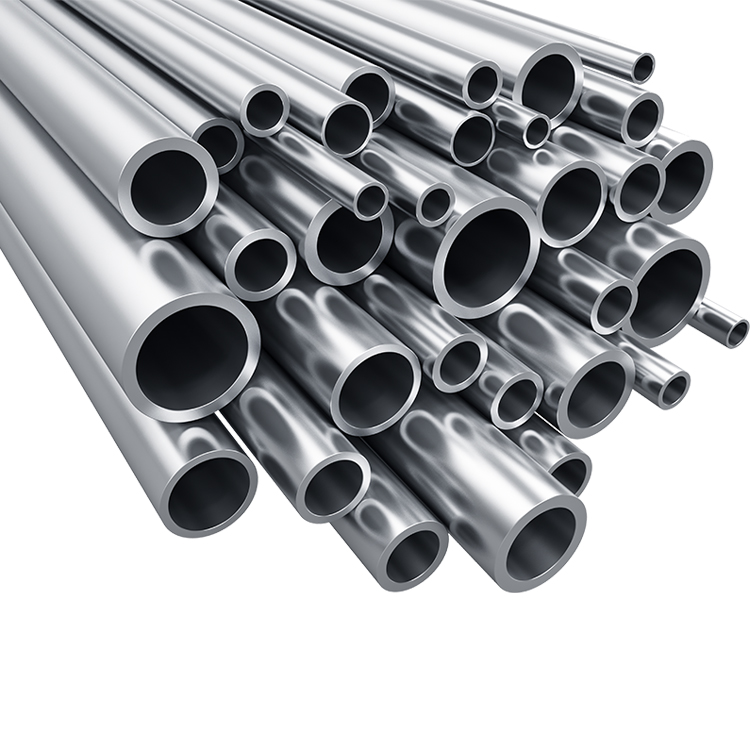
- Pipes and valves
- Heat exchangers
Food and Beverage Processing
- Equipment for salty and acidic foods
- Brewery and dairy equipment
- Food contact surfaces
Medical Devices
- Surgical tools
- Orthopedic implants
- Dental equipment
Architecture and Construction
- Coastal building facades
- Outdoor sculptures and monuments
- Structural support systems
Oil and Gas
- Offshore platforms
- Subsea equipment
- Corrosion-resistant tubing
Pharmaceutical Industry
- Cleanroom systems
- Fluid transport lines
- Bioreactors and fermentation tanks
9. Comparison: 316 vs. 304 Stainless Steel
| Feature | 316 Stainless Steel | 304 Stainless Steel |
|---|---|---|
| Corrosion Resistance | Superior (chlorides, acids) | Very good (general environments) |
| Molybdenum Content | 2–3% | 0% |
| Cost | Higher | Lower |
| Chloride Resistance | Excellent | Moderate |
| Common Applications | Marine, chemical, medical | Kitchen, automotive, general industry |
10. Advantages of 316 Stainless Steel
- Exceptional corrosion resistance, especially in saline and acidic environments
- Long-term durability even in aggressive industrial conditions
- High-temperature performance suitable for steam and chemical plants
- Biocompatibility, making it suitable for medical and surgical use
- Good weldability and formability
- Attractive finish and ease of cleaning for aesthetic applications
- Recyclability, supporting green manufacturing initiatives
11. Limitations of 316 Stainless Steel
While highly versatile, 316 stainless steel has a few considerations:
- Higher cost than 304 and carbon steel
- Work hardens quickly, making machining more challenging
- Still susceptible to stress corrosion cracking in certain chloride-rich environments at elevated temperatures
- May require passivation to maintain maximum corrosion resistance in some settings
12. Sustainability and Recycling
Like all stainless steels, 316 is 100% recyclable. The alloy’s long lifespan and resistance to degradation significantly reduce the need for frequent replacement, thereby minimizing environmental impact.
In fact, a large portion of 316 stainless steel in the market is made from recycled scrap, underscoring its contribution to a circular economy.



Conclusion
316 stainless steel is one of the most robust and corrosion-resistant materials available for industrial and commercial use. With the addition of molybdenum, it surpasses 304 stainless steel in resisting pitting, crevice corrosion, and acid attack, making it ideal for applications in marine, medical, chemical, and food industries.
When selecting a material for challenging environments, where durability, hygiene, and corrosion resistance are critical, 316 stainless steel stands out as a reliable, high-performance choice. Its excellent mechanical and physical properties, combined with long-term economic value, make it a cornerstone material for modern engineering and manufacturing.
Gengfei Provides High Quality 316 Stainless Steel
Please let us know your procurement requirements, and we will quickly tailor the most competitive quotation for you.
- [email protected]
- +86 19139863252
- Jenny-GFSteel

