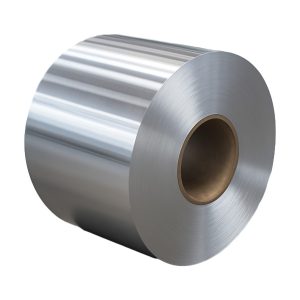
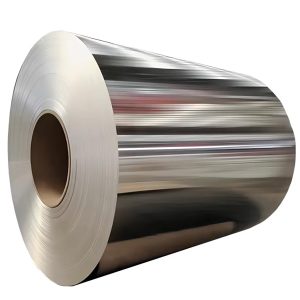
Tá barraí alúmanaim tar éis éirí ina gcuid riachtanach ar fud na n-iliomad tionscail mar gheall ar a n-illúbthacht eisceachtúil, a gcóimheas neart le meáchain, a fhriotaíocht creimeadh, agus éascaíocht déantúsaíochta. Cibé an bhfuil baint agat le tionscadail tógála, feithicleach, aeraspáis, déantúsaíochta nó DIY, is féidir le tuiscint a fháil ar airíonna, cineálacha, feidhmeanna agus teicnící próiseála barraí alúmanaim cur go mór le torthaí do thionscadail. Scrúdaíonn an treoir chuimsitheach seo na gnéithe iomadúla de bharraí alúmanaim, ag taispeáint a n-acmhainneacht mar thuaslagán miotail seoltaí.
Réamhrá do Barraí Alúmanam
Is píosaí soladacha fadaithe alúmanaim iad barraí alúmanaim a thagann i gcruthanna, méideanna agus cóimhiotail éagsúla. Feidhmíonn siad mar amhábhair bhunúsacha do mhonarú comhpháirteanna, eilimintí struchtúracha, agus míreanna maisiúla. Mar gheall ar a nádúr éadrom mar aon le marthanacht, is rogha tarraingteach iad d'innealtóirí, dearthóirí agus caitheamh aimsire araon.
Cén fáth Roghnaigh Barraí Alúmanam?
Maoin
Tairbhe a bhaint as
Éadrom
Níos éasca a láimhseáil, a iompar, agus a shuiteáil
Friotaíocht creimthe
Oiriúnach d'iarratais lasmuigh agus mara
Cóimheas ard-neart-le-mheáchan
Cinntíonn sé marthanacht gan meáchan gan ghá a chur leis
Meaitinability den scoth
Éascaíonn sé cruinneas meaisínithe agus monaraithe
Good Thermal & Electrical Conductivity
Ideal le haghaidh feidhmeanna aistrithe leictreachais agus teasa
Athchúrsáil
Neamhdhíobhálach don chomhshaol, tacaíonn sé le cleachtais inbhuanaithe
Cineálacha Barraí Alúmanam
Déantar barraí alúmanaim a chatagóiriú bunaithe ar a gcomhdhéanamh cóimhiotail, a temper, agus a gcruth. Áirítear ar na cruthanna is coitianta barraí cruinn, cearnacha agus dronuilleogacha.
1. Cruthanna agus A bhFeidhmeanna
Cruth
Úsáidí comónta
Barraí Babhta
Seafta, acastóirí, dúntóirí, eilimintí maisiúla
Barraí Cearnóg
Comhpháirteanna struchtúracha, frámaí, troscán
Barraí Dronuilleogacha
Tógáil, lúibíní, páirteanna meaisín
2. Sraith Alloy agus a dTréithe
Déantar cóimhiotail alúmanaim a rangú i sraith de réir a bpríomhghnéithe cóimhiotalaithe. Seo tábla achoimre:
Sraith
Príomhghné Chóimhiotail
Eochairthréithe
Iarratais tipiciúla
1xxx
Alúmanam íon
Friotaíocht creimeadh is airde, seoltacht leictreach
Seoltóirí leictreacha, earraí maisiúcháin
2xxx
Al-Copar
Ard-neart, friotaíocht creimeadh níos ísle
Aerospace, páirteanna feithicleach
3xxx
Al-Mangainéis
Friotaíocht creimeadh maith, neart measartha
Uirlisí cócaireachta, leatháin dín
5xxx
Al-Mhaignéisiam
Friotaíocht creimeadh den scoth, weldability maith
Timpeallachtaí mara, feidhmeanna struchtúracha
6xxx
Al-Maignéisiam-Sileacain
Dea-neart, friotaíocht creimeadh, agus éasca le meaisín
Cinntíonn cothabháil chuí fad saoil agus feidhmíocht.
Tasc Cothabhála
Treoirlínte
Glanadh
Bain úsáid as gallúnach éadrom agus uisce; ábhair scríobach a sheachaint
Cosc ar Chreimeadh
Cigireachtaí rialta, bratuithe cosanta
Stóráil
Coinnigh i dtimpeallachtaí tirim, clúdaithe
Deisiúchán agus Athchóiriú
Déan damáiste dromchla a dheisiú go pras chun creimeadh a chosc
Treochtaí agus nuálaíochtaí sa todhchaí
Leanann éabhlóid na teicneolaíochta barra alúmanaim ag oscailt bealaí nua:
Cóimhiotail Casta: Forbairt cóimhiotail ardfheidhmíochta le neart feabhsaithe agus friotaíocht creimeadh.
Nanaitheicneolaíocht: Modhnuithe dromchla ag an nanascála le haghaidh airíonna feabhsaithe.
Athchúrsáil agus Inbhuanaitheacht: Béim níos mó ar phróisis déantúsaíochta atá neamhdhíobhálach don chomhshaol.
Déantúsaíocht Bhreiseáin: Ag baint úsáide as púdair agus barraí alúmanaim i bpriontáil 3D le haghaidh páirteanna casta.
Conclúid
Seasann barraí alúmanaim amach mar acmhainn thar a bheith ilúsáideach agus luachmhar i dtionscal agus ceardaíocht nua-aimseartha. Déanann a meascán uathúil de ghile, neart, friotaíocht creimeadh, agus éascaíocht próiseála iad oiriúnach do speictream leathan iarratas. Trí na cineálacha éagsúla, na hairíonna agus na teicnící próiseála a thuiscint, is féidir le húsáideoirí leas a bhaint as lánacmhainneacht barraí alúmanaim chun a gcuid tionscadal a nuáil agus a bharrfheabhsú. De réir mar a théann an teicneolaíocht chun cinn, is cinnte go leanfaidh barraí alúmanaim de ról lárnach a bheith acu maidir le réitigh inbhuanaithe, éifeachtúla agus nuálaíocha a mhúnlú ar fud earnálacha.
Tagairtí
Cumann Alúmanam. (2023). Caighdeáin agus Sonraí Alúmanam.
ASM Idirnáisiúnta. (2022). Cóimhiotail Alúmanam agus Alúmanam.
Matweb. (2023). Bunachar Sonraí Airíonna Ábhar.
Tuarascálacha Tionscail ar Threochtaí Déantúsaíochta Miotail (2023).
Catalóga Déantóirí agus Bileoga Teicniúla.
Tá sé mar aidhm ag an treoir seo a bheith ina acmhainn uile-chuimsitheach chun tuiscint a fháil ar chumhacht agus ar chumas barraí alúmanaim. Cibé acu le haghaidh feidhmeanna tionsclaíocha nó iarrachtaí cruthaitheacha, tairgeann barraí alúmanaim réiteach miotail iontaofa agus ildánach chun rath do thionscadail a scaoileadh.
PDF Íoslódáil: Íoslódáil