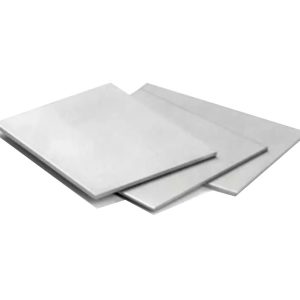
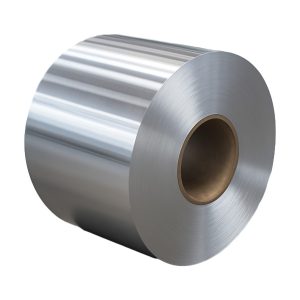
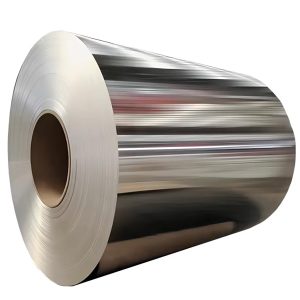
Thanh nhôm đã trở thành một thành phần thiết yếu trong nhiều ngành công nghiệp do tính linh hoạt đặc biệt, tỷ lệ cường độ trên trọng lượng, khả năng chống ăn mòn và dễ chế tạo. Cho dù bạn tham gia vào các dự án xây dựng, ô tô, hàng không vũ trụ, sản xuất hay DIY, việc hiểu các đặc tính, loại, ứng dụng và kỹ thuật xử lý của thanh nhôm có thể nâng cao đáng kể kết quả dự án của bạn. Hướng dẫn toàn diện này khám phá vô số khía cạnh của thanh nhôm, thể hiện tiềm năng của chúng như một giải pháp phù hợp cho kim loại.
Giới thiệu về thanh nhôm
Thanh nhôm là những miếng nhôm rắn, thon dài, có nhiều hình dạng, kích cỡ và hợp kim khác nhau. Chúng đóng vai trò là nguyên liệu thô cơ bản để sản xuất các bộ phận, thành phần kết cấu và vật dụng trang trí. Bản chất nhẹ kết hợp với độ bền khiến chúng trở thành sự lựa chọn hấp dẫn cho các kỹ sư, nhà thiết kế cũng như những người có sở thích.
Tại sao nên chọn thanh nhôm?
Tài sản
Lợi ích
Nhẹ
Dễ dàng xử lý, vận chuyển và lắp đặt hơn
Chống ăn mòn
Thích hợp cho các ứng dụng ngoài trời và hàng hải
Tỷ lệ sức mạnh trên trọng lượng cao
Đảm bảo độ bền mà không tăng thêm trọng lượng không cần thiết
Khả năng gia công tuyệt vời
Tạo điều kiện cho việc gia công và chế tạo chính xác
Good Thermal & Electrical Conductivity
Lý tưởng cho các ứng dụng truyền điện và nhiệt
Tính tái chế
Thân thiện với môi trường, hỗ trợ các hoạt động bền vững
Các loại thanh nhôm
Thanh nhôm được phân loại dựa trên thành phần hợp kim, tính chất và hình dạng của chúng. Các hình dạng phổ biến nhất bao gồm các thanh tròn, hình vuông và hình chữ nhật.
1. Hình dạng và ứng dụng của chúng
Hình dạng
Công dụng phổ biến
Thanh tròn
Trục, trục, ốc vít, các chi tiết trang trí
Thanh vuông
Các thành phần kết cấu, khung, đồ nội thất
Thanh hình chữ nhật
Xây dựng, khung, bộ phận máy
2. Dòng hợp kim và đặc điểm của chúng
Hợp kim nhôm được phân loại thành loạt dựa trên các nguyên tố hợp kim chính của chúng. Đây là bảng tóm tắt:
Loạt
Yếu tố hợp kim chính
Đặc điểm chính
Các ứng dụng điển hình
1xxx
Nhôm tinh khiết
Khả năng chống ăn mòn, dẫn điện cao nhất
Dây dẫn điện, đồ trang trí
2xxx
Đồng Al
Độ bền cao, khả năng chống ăn mòn thấp hơn
Hàng không vũ trụ, phụ tùng ô tô
3xxx
Al-mangan
Chống ăn mòn tốt, độ bền vừa phải
Dụng cụ nấu ăn, tấm lợp
5xxx
Al-Magiê
Khả năng chống ăn mòn tuyệt vời, khả năng hàn tốt
Môi trường biển, ứng dụng kết cấu
6xxx
Al-Magiê-Silicon
Độ bền tốt, chống ăn mòn và dễ gia công
Linh kiện kết cấu, phụ tùng ô tô
7xxx
Al-Kẽm
Độ bền rất cao, khả năng chống ăn mòn ít
Hàng không vũ trụ, ứng dụng hiệu suất cao
Kỹ thuật sản xuất và chế biến
Thanh nhôm có thể được xử lý thông qua nhiều phương pháp khác nhau để đáp ứng các yêu cầu cụ thể.
1. Cắt và tạo hình
Cưa: Cắt chính xác cho độ dài tùy chỉnh.
Gia công: Khoan, phay, tiện các hình dạng phức tạp.
Uốn / Tạo hình: Dùng phanh ép hoặc con lăn để tạo hình.
2. Xử lý bề mặt
Sự đối đãi
Mục đích
Ứng dụng
Anod hóa
Tăng cường khả năng chống ăn mòn và độ cứng bề mặt
Lớp phủ trang trí và bảo vệ
Lớp phủ bột
Cung cấp màu sắc và sức đề kháng bổ sung cho các yếu tố môi trường
Hoàn thiện thẩm mỹ và bảo vệ
Đánh bóng
Cải thiện bề mặt và sự xuất hiện
Ứng dụng trang trí
3. Kỹ thuật nối
Phương pháp
Chi tiết
Thích hợp cho
Hàn
Hàn khí trơ vonfram (TIG), Hàn khí trơ kim loại (MIG)
Kết cấu, lắp ráp khung
Bolting & Riveting
Chốt cơ khí để lắp ráp mô-đun
Xây dựng, sản xuất
Liên kết dính
Chất kết dính hiện đại cho khớp nhẹ và thẩm mỹ
Tấm trang trí, thiết bị điện tử
Ứng dụng của thanh nhôm
Đặc tính độc đáo của thanh nhôm cho phép chúng được sử dụng trong nhiều lĩnh vực khác nhau.
1. Xây dựng và Kiến trúc
Ứng dụng
Thuận lợi
Khung cấu trúc
Nhẹ nhưng chắc chắn, lắp đặt dễ dàng
Tấm ốp và mặt tiền
Tính thẩm mỹ, chống ăn mòn
Lan can và cổng
Độ bền, bảo trì tối thiểu
2. Công nghiệp ô tô
Ứng dụng
Thuận lợi
Các thành phần khung và thân xe
Giảm trọng lượng xe, cải thiện hiệu suất sử dụng nhiên liệu
Tản nhiệt
Độ dẫn nhiệt tuyệt vời
chế tạo tùy chỉnh
Dễ dàng gia công các bộ phận riêng biệt
3. Lĩnh vực hàng không vũ trụ
Ứng dụng
Thuận lợi
Khung và tấm máy bay
Tỷ lệ cường độ trên trọng lượng cao, chống ăn mòn
Thành phần kết cấu
Nhẹ, bền, đáng tin cậy
4. Sản xuất và Máy móc
Ứng dụng
Thuận lợi
Khung máy móc
Sự mạnh mẽ kết hợp với trọng lượng thấp
Hệ thống băng tải
Chống ăn mòn, dễ sửa đổi
5. Dự án DIY và nghệ thuật
Ứng dụng
Thuận lợi
Tác phẩm nghệ thuật tùy chỉnh
Tính dẻo, tính thẩm mỹ
Dự án cải tạo nhà
Dễ dàng làm việc, nhẹ
So sánh thanh nhôm với các kim loại khác
Tài sản
Thanh nhôm
Thanh thép
thanh đồng
Thanh nhựa
Cân nặng
Ánh sáng
Nặng
Vừa phải
Rất nhẹ
Chống ăn mòn
Xuất sắc
Vừa phải
Tốt
Khác nhau
Sức mạnh
Tốt
Rất cao
Vừa phải
Thấp
Khả năng gia công
Xuất sắc
Tốt
Vừa phải
Xuất sắc
Trị giá
Vừa phải
Thấp hơn
Cao hơn
Thấp
Chọn thanh nhôm phù hợp
Khi chọn thanh nhôm cho dự án của bạn, hãy xem xét những điều sau:
Nhân tố
Cân nhắc
Thành phần hợp kim
Phù hợp với yêu cầu ứng dụng (độ bền, khả năng chống ăn mòn)
Sử dụng xà phòng nhẹ và nước; tránh vật liệu mài mòn
Phòng chống ăn mòn
Kiểm tra thường xuyên, sơn phủ bảo vệ
Kho
Bảo quản ở môi trường khô ráo, có mái che
Sửa chữa và tân trang
Sửa chữa hư hỏng bề mặt kịp thời để tránh ăn mòn
Xu hướng và đổi mới trong tương lai
Sự phát triển của công nghệ thanh nhôm tiếp tục mở ra những con đường mới:
Hợp kim tiên tiến: Phát triển các hợp kim hiệu suất cao với độ bền và khả năng chống ăn mòn được tăng cường.
Công nghệ nano: Sửa đổi bề mặt ở cấp độ nano để cải thiện các đặc tính.
Tái chế và bền vững: Tăng cường nhấn mạnh vào các quy trình sản xuất thân thiện với môi trường.
Sản xuất phụ gia: Sử dụng bột và thanh nhôm trong in 3D cho các bộ phận phức tạp.
Phần kết luận
Thanh nhôm nổi bật như một nguồn tài nguyên rất linh hoạt và có giá trị trong ngành công nghiệp và thủ công hiện đại. Sự kết hợp độc đáo giữa độ nhẹ, độ bền, khả năng chống ăn mòn và khả năng xử lý dễ dàng khiến chúng phù hợp với nhiều ứng dụng. Bằng cách hiểu rõ các loại, tính chất và kỹ thuật xử lý khác nhau, người dùng có thể khai thác toàn bộ tiềm năng của thanh nhôm để đổi mới và tối ưu hóa dự án của mình. Khi công nghệ tiến bộ, các thanh nhôm chắc chắn sẽ tiếp tục đóng vai trò then chốt trong việc hình thành các giải pháp bền vững, hiệu quả và sáng tạo trong các lĩnh vực.
Tài liệu tham khảo
Hiệp hội nhôm (2023). Tiêu chuẩn và dữ liệu nhôm.
ASM Quốc tế. (2022). Nhôm và hợp kim nhôm.
Matweb. (2023). Cơ sở dữ liệu thuộc tính vật liệu.
Báo cáo ngành về xu hướng sản xuất kim loại (2023).
Danh mục sản phẩm và bảng kỹ thuật của nhà sản xuất.
Hướng dẫn này nhằm mục đích trở thành một nguồn tài nguyên toàn diện để hiểu được sức mạnh và tiềm năng của các thanh nhôm. Cho dù ứng dụng công nghiệp hay nỗ lực sáng tạo, thanh nhôm đều cung cấp giải pháp kim loại linh hoạt và đáng tin cậy để mang lại thành công cho dự án của bạn.
Tải xuống PDF : Tải xuống