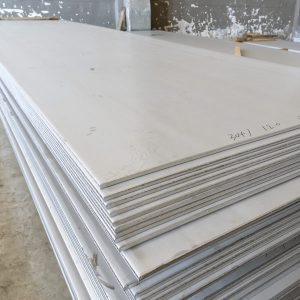
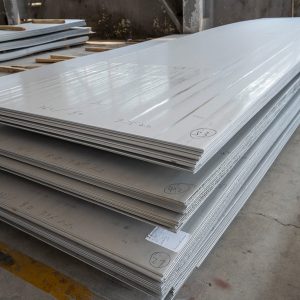
When it comes to stainless steel sheets, 304 and 430 are two of the most commonly used grades. Both offer unique advantages in terms of corrosion resistance, strength, and cost. Choosing between them depends on your application, budget, and performance requirements. In this guide, we will explain the key differences between 304 and 430 stainless steel sheets and help you decide which one is right for your project.
What is 304 Stainless Steel Sheet?
304 stainless steel is part of the austenitic family of stainless steels, known for its excellent corrosion resistance and durability.
Key Features of 304:
High corrosion resistance: Performs well in humid, acidic, and marine environments.
Non-magnetic in annealed condition.
Good formability & weldability.
Widely used in food processing, chemical equipment, and architecture.
Common Applications:
Kitchen equipment and appliances
Food and beverage processing machinery
Chemical containers
Architectural facades
Marine fittings
What is 430 Stainless Steel Sheet?
430 stainless steel belongs to the ferritic family, offering a lower-cost option with decent corrosion resistance.
Key Features of 430:
Moderate corrosion resistance: Performs well in indoor, dry, and mildly corrosive environments.
For outdoor, humid, or marine applications → choose 304.
For indoor, decorative, or dry environments → 430 is cost-effective.
Budget vs Performance
304 is more expensive but ensures durability and longer service life.
430 is more affordable and suitable for non-critical applications.
Magnetic vs Non-Magnetic Needs
If a magnetic property is required (e.g., appliance covers) → choose 430.
If non-magnetic material is preferred → choose 304.
Fabrication Requirements
If welding is required → 304 performs better.
For simple forming and bending → 430 can be sufficient.
Conclusion
Both 304 and 430 stainless steel sheets have their strengths. 304 offers superior corrosion resistance, durability, and versatility, making it ideal for harsh environments and critical industries. On the other hand, 430 provides a budget-friendly solution with adequate performance for indoor and decorative uses.
By evaluating your project’s environment, cost, and performance needs, you can make the right choice between these two stainless steel grades.
FAQ
Q1: Is 304 stainless steel always better than 430? Not necessarily. While 304 is stronger and more corrosion-resistant, 430 is more affordable and suitable for many indoor applications.
Q2: Can 430 stainless steel rust? Yes, 430 stainless steel can rust if exposed to high humidity, chemicals, or marine environments.
Q3: Can 304 and 430 stainless steels be welded together? It’s possible, but due to different metallurgical properties, special techniques and filler materials may be required.
Q4: Which stainless steel sheet is best for kitchen appliances? 304 is best for high-end, durable kitchen equipment, while 430 is widely used in cost-effective appliances like oven panels or refrigerator doors.
Contact Us
Gengfei Steel – Your Trusted Stainless Steel Supplier