

Steel coils are fundamental materials extensively used across various industries, from construction and automotive to appliances and packaging. Among the most popular types are PPGI and PPGL steel coils. While they might seem similar at first glance, they possess distinct features, applications, and manufacturing processes that set them apart. This article aims to delve deep into the key differences between PPGI and PPGL steel coils, providing a comprehensive understanding to industry professionals, engineers, and procurement specialists.
Introduction
The steel industry continuously innovates to meet diverse application requirements, emphasizing corrosion resistance, aesthetic appeal, and durability. Coated steel coils, especially PPGI (Pre-Painted Galvanized Iron) and PPGL (Pre-Painted Galvalume), are prominent in this landscape. Their coatings protect steel substrates from environmental factors and enhance visual qualities. Understanding their differences is crucial for selecting the right material for specific applications.
Overview of PPGI and PPGL Steel Coils
What is PPGI?
PPGI stands for Pre-Painted Galvanized Iron. It is steel sheet coated with a layer of zinc (galvanization) and then painted with an organic coating layer. The process involves galvanizing the steel, followed by coating and baking to apply decorative and protective paint layers.
What is PPGL?
PPGL refers to Pre-Painted Galvalume steel coils, which are coated with an alloy of aluminum and zinc, known as galvalume, before applying paint layers. Similar to PPGI, it undergoes pre-painting processes but uses a different base coating material, offering distinct properties.
Manufacturing Processes
Understanding the manufacturing process is essential to grasp the differences and advantages of each type.
PPGI Manufacturing Process
- Steel Sheet Production: Steel sheets are produced via hot rolling and cold rolling processes.
- Galvanization: The steel sheet is coated with zinc via hot-dip galvanizing.
- Pre-Painting: Organic coatings (such as polyester, PVDF, or silicone-modified polyester) are applied through roll coating.
- Baking: The coated sheets are baked at high temperatures to cure the paint.
- Cutting & Packaging: The final pre-painted sheets are cut into coils or sheets for shipping.
PPGL Manufacturing Process
- Steel Sheet Production: Similar initial steps as PPGI.
- Galvalume Coating: Instead of zinc, the steel is coated with an aluminum-zinc alloy via hot-dip galvanization.
- Pre-Painting: Organic coatings are applied on top of the galvalume layer.
- Baking: The coated sheets are baked to ensure adhesion and durability.
- Final Processing: Sheets are cut, packaged, and prepared for delivery.
Core Differences Between PPGI and PPGL
The primary differences are rooted in their coating materials, corrosion resistance, aesthetic qualities, and typical applications.
| Feature | PPGI (Pre-Painted Galvanized Iron) | PPGL (Pre-Painted Galvalume) |
|---|---|---|
| Base Coating Material | Zinc (Zn) | Aluminum-Zinc Alloy (55% Al, 43.4% Zn, 1.6% Si) |
| Corrosion Resistance | Good, but less than PPGL | Superior, especially in harsh environments |
| Appearance & Aesthetics | Excellent color options, good gloss retention | Similar, but may have different gloss characteristics |
| Cost | Generally lower | Slightly higher due to materials used |
| Weight | Slightly heavier | Slightly lighter due to lighter coating layer |
| Durability | Moderate, suitable for indoor and mild outdoor use | Higher durability, suitable for severe outdoor conditions |
| Typical Applications | Roofing, wall cladding, appliances, furniture | Roofing, wall panels, industrial applications, outdoor structures |
Material Composition and Coating Layers
Understanding the layered structure helps comprehend their performance:
PPGI Layer Structure
| Layer | Description |
|---|---|
| Steel Substrate | Cold-rolled steel sheet |
| Zinc Coating | Protective zinc layer (varies in thickness) |
| Primer Coating | Organic primer for adhesion |
| Top Coating | Organic paint layer (polyester, PVDF, etc.) |
PPGL Layer Structure
| Layer | Description |
|---|---|
| Steel Substrate | Cold-rolled steel sheet |
| Aluminum-Zinc Alloy Coating | Protective alloy layer (55% aluminum, 43.4% zinc) |
| Primer Coating | Organic primer layer |
| Top Coating | Organic paint layer |
Corrosion Resistance and Durability
The corrosion resistance of steel coils is vital for longevity, especially in outdoor environments.
PPGI Corrosion Resistance
- Adequate for indoor applications and mild outdoor conditions.
- Zinc provides sacrificial protection, but over time, zinc layer can erode.
PPGL Corrosion Resistance
- Superior to PPGI due to the aluminum-zinc alloy, which forms a stable, protective oxide layer.
- Performs well in highly corrosive environments like coastal areas and industrial zones.
Durability Comparison Table
| Parameter | PPGI | PPGL |
|---|---|---|
| Salt Spray Resistance | Good | Excellent |
| UV Resistance | Good | Excellent |
| Weather Resistance | Moderate | Superior |
Aesthetic Qualities
Both PPGI and PPGL can be coated with a wide variety of colors and finishes, including matte, gloss, and textured surfaces.
- Color Range: Both offer extensive color options, often standardized by industry color codes.
- Gloss Retention: PPGL may retain gloss better over time due to its more durable coating.
- Surface Finish: Both can achieve smooth, textured, or patterned finishes.
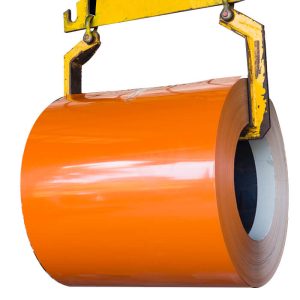


Common Applications of PPGI and PPGL
PPGI Applications
- Building Materials: Roofing sheets, wall panels, cladding.
- Home Appliances: Refrigerators, washing machines.
- Furniture: Metal furniture, cabinets.
- Packaging: Industrial containers.
PPGL Applications
- Roofing and Cladding: Especially in coastal and industrial environments.
- Industrial Equipment: Storage tanks, pipes.
- Automotive and Transportation: Structural components requiring high corrosion resistance.
- Outdoor Structures: Gazebos, garden furniture.
Cost Considerations
| Factor | PPGI | PPGL |
|---|---|---|
| Material Cost | Lower | Slightly higher |
| Processing Cost | Similar | Similar |
| Lifecycle Cost | Moderate | Higher initial cost but longer lifespan |
Choosing between PPGI and PPGL often boils down to budget constraints versus expected lifespan and environmental exposure.
Environmental and Sustainability Aspects
Both coatings aim to be eco-friendly, with the potential for recycling and minimal environmental impact during manufacturing.
| Aspect | PPGI | PPGL |
|---|---|---|
| Recyclability | High | High |
| Environmental Impact | Slightly lower, due to zinc usage | Slightly higher, but still environmentally friendly |
Maintenance and Longevity
Proper maintenance extends the lifespan of coated steel coils.
| Maintenance | PPGI | PPGL |
|---|---|---|
| Cleaning | Mild detergent | Mild detergent |
| Protection | Avoid abrasive cleaners | Avoid abrasive cleaners |
| Lifespan | 10-20 years | 20+ years in harsh environments |
Regular inspection and cleaning can significantly prolong service life.
Summary: Which Steel Coil Should You Choose?
| Criteria | Choose PPGI | Choose PPGL |
|---|---|---|
| Budget Constraints | Suitable | Slightly more expensive |
| Environmental Exposure | Mild to moderate | Harsh, coastal, industrial |
| Aesthetic Requirements | Good | Excellent |
| Application Duration | Short to medium term | Long-term durability |
Tips for Buying PPGI and PPGL Steel Coils
At Gengfei Steel, we always advise our clients to verify coating specifications and surface quality before purchase. Even the best PPGL coil can fail prematurely if the coating is uneven or the steel has been mishandled. Working with a trusted supplier like us ensures that you get a product that meets both performance and safety standards.
Tips:
Check coating thickness and quality
Buy from reputable suppliers
Inspect surface finish for scratches or defects
Confirm proper handling and storage
Conclusion: Making the Right Choice
Understanding the nuanced differences between PPGI and PPGL steel coils is essential for making informed decisions tailored to specific project needs. PPGI offers a cost-effective solution with good aesthetic appeal and moderate durability, ideal for indoor or mild outdoor applications. PPGL, with its superior corrosion resistance and durability, is better suited for severe environments and long-term outdoor use.
By carefully evaluating factors such as environmental conditions, application requirements, budget, and lifespan expectations, stakeholders can select the most appropriate steel coil type, ensuring performance, longevity, and cost-efficiency.
Contact Us
If you’re looking for a reliable PPGI and PPGL supplier from China, Gengfei is ready to serve you. We combine competitive prices, fast production, and strict quality control to ensure your project’s success.
Email: [email protected]
WhatsApp / Phone: +86 191 3986 3252
Website: www.gengfeisteel.com
PDF Download:Download
