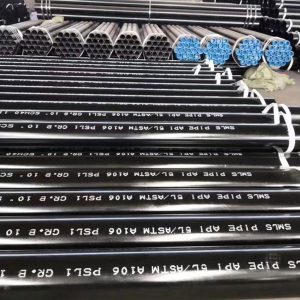
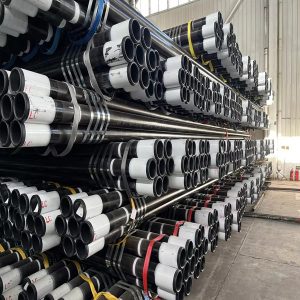
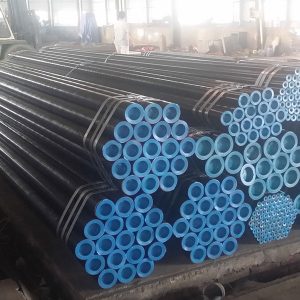
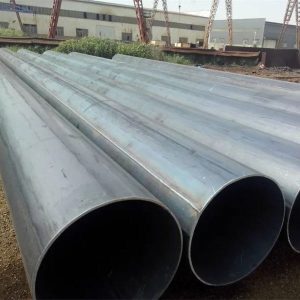
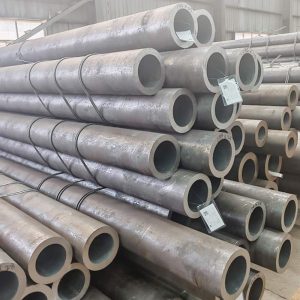
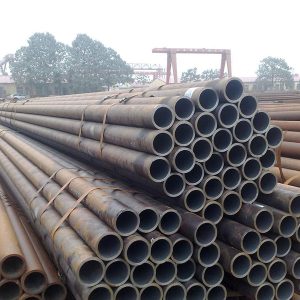
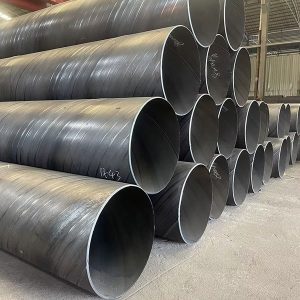
In the world of industrial manufacturing, construction, and engineering, standards serve as the backbone for ensuring safety, quality, and interoperability of materials and components. Among these, ASTM International standards are pivotal, especially in defining the specifications for carbon steel pipes. This comprehensive guide aims to unlock the essentials of ASTM carbon steel pipe standards, providing a detailed overview for engineers, manufacturers, and stakeholders involved in applications requiring robust and reliable piping systems.
What Are ASTM and Carbon Steel Pipes
What Is ASTM?
ASTM International, formerly known as the American Society for Testing and Materials, is an internationally recognized organization that develops and publishes voluntary consensus standards for a wide range of materials, products, systems, and services. These standards facilitate the global trade and ensure that products meet specific safety, quality, and performance requirements.
Significance of Carbon Steel Pipes
Carbon steel pipes are extensively used across industries such as oil and gas, water treatment, construction, and manufacturing. Their popularity stems from their strength, durability, and cost-effectiveness. Proper adherence to ASTM standards guarantees that these pipes meet the necessary specifications for different applications, thereby reducing risks associated with failures and ensuring longevity.
Popular ASTM Carbon Steel Pipe Standards
ASTM develops various standards related to carbon steel pipes, covering dimensions, manufacturing processes, mechanical properties, testing methods, and coating requirements. The most widely recognized standards include:
Standard Code
Title
Scope
ASTM A106/A106M
Standard Specification for Seamless Carbon Steel Pipe for High-Temperature Service
Seamless pipes for high-temperature applications
ASTM A53/A53M
Standard Specification for Pipe, Steel, Black and Hot-Dipped, Zinc-Coated, Welded and Seamless
General purpose pipe for mechanical and pressure applications
ASTM A333/A333M
Standard Specification for Seamless and Welded Steel Pipe for Low-Temperature Service
Pipes for low-temperature service
ASTM A252
Standard Specification for Welded and Seamless Steel Pipe Piles
Pipes used in foundation and piling applications
ASTM A120
Standard Specification for Black and Hot-Dipped Zinc-Coated Welded and Seamless Carbon Steel Pipe
Pipes with corrosion protection
Key ASTM Standards for Carbon Steel Pipes
ASTM A106/A106M: Seamless Carbon Steel Pipe for High-Temperature Service
This standard specifies seamless carbon steel pipes suitable for high-temperature, high-pressure service, especially in the petroleum and chemical industries.
Scope and Applications
High-temperature and high-pressure environments
Boilers, heat exchangers, and other pressure vessels
Material Grades
Grades: A, B, C
Chemical composition and mechanical properties vary per grade
Dimensions and Tolerances
Nominal Diameter
Wall Thickness
Outside Diameter Tolerance
Wall Thickness Tolerance
1/8″ to 26″
Schedule 40, 80, etc.
±0.5 mm
±12.5%
Note: Specific tolerances depend on the pipe schedule and size.
ASTM A53/A53M: Steel Pipe, Black and Hot-Dipped, Zinc-Coated
One of the most common standards for general-purpose steel pipes, utilized in conveying water, gas, and other fluids.
Types
Type
Description
Coating
F
Seamless or welded, black finish
None
FBP
Black, with protective coating
Optional
H
Hot-dipped galvanized
Zinc coating
Mechanical Properties
Grade
Tensile Strength (MPa)
Yield Strength (MPa)
Elongation (%)
A53 Grade A
415
240
23
A53 Grade B
485
275
23
ASTM A333/A333M: Low-Temperature Steel Pipe
Designed for low-temperature applications where brittle fracture is a concern.
Grade
Temperature Range
Chemical Composition
Mechanical Properties
Grade 3
-45°C to -60°C
Controlled carbon and alloy content
Tensile strength ≥ 415 MPa
Material Specifications and Chemical Composition
Understanding the chemical composition and mechanical properties specified by ASTM standards is crucial for selecting the right pipe for specific applications.
Oil and Gas Industry: High-pressure and high-temperature pipelines
Water Supply: Municipal and industrial water lines
Construction: Structural supports and scaffolding
Chemical Processing: Corrosion-resistant piping for aggressive environments
Foundation Piles: Deep foundation systems
Best Practices for Selecting ASTM Carbon Steel Pipes
Criteria
Considerations
Service Environment
Temperature, pressure, corrosiveness
Mechanical Requirements
Tensile strength, ductility
Coating and Protection
External/internal corrosion risks
Compatibility
Fitting with existing systems and standards
Cost and Availability
Budget constraints and supply chain
Conclusion
ASTM standards provide a comprehensive framework for ensuring that carbon steel pipes meet the rigorous demands of various industrial applications. From high-temperature seamless pipes to versatile welded pipes, understanding these standards helps engineers and manufacturers select the appropriate materials, guarantee quality, and maintain safety. As industries evolve and demand more reliable piping solutions, adherence to ASTM standards remains essential for unlocking the full potential of carbon steel pipes.
FAQ
1. What is the difference between ASTM A53 and A106 pipes?
A53 is suitable for lower temperature and pressure applications, while A106 is designed for high-temperature environments.
2. Are ASTM carbon steel pipes corrosion-resistant?
They offer moderate resistance but usually require coatings or galvanization for enhanced durability.
3. Can ASTM pipes be used for structural purposes?
Yes, especially ASTM A500, which is widely used in construction.
Contact Us
If you’re looking for a reliable carbon steel pipe supplier from China, Gengfei is ready to serve you. We combine competitive prices, fast production, and strict quality control to ensure your project’s success.