Quando si tratta di sistemi idraulici, la durabilità e la resistenza alla corrosione sono fattori cruciali che determinano la longevità e l’affidabilità dell’infrastruttura. Tra le varie opzioni di tubazioni, i tubi zincati hanno dimostrato di essere una scelta affidabile sia per gli impianti idraulici residenziali che commerciali. Questa guida completa esamina perché i tubi zincati sono considerati la soluzione definitiva per impianti idraulici durevoli e resistenti alla corrosione.
Introduzione ai tubi zincati
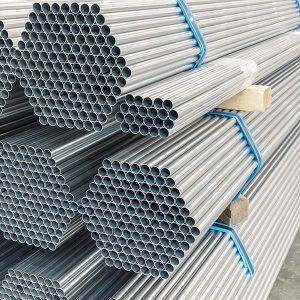
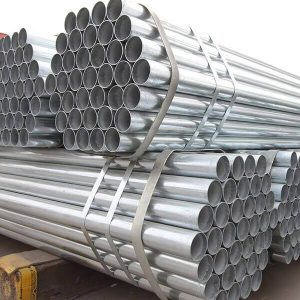
I tubi zincati sono tubi in acciaio rivestiti con uno strato protettivo di zinco per prevenire ruggine e corrosione. Il processo di zincatura prevede l'immersione a caldo o l'elettrozincatura di tubi in acciaio, creando una barriera duratura contro gli elementi ambientali.
Contesto storico e utilizzo
Sin dalla loro nascita all'inizio del XIX secolo, i tubi zincati sono stati ampiamente utilizzati negli impianti idraulici, nelle recinzioni e in altre applicazioni in cui la resistenza alla corrosione è fondamentale. La loro popolarità raggiunse il picco durante la metà del XX secolo, soprattutto nei sistemi idraulici residenziali.
Composizione e processo di produzione
Componente
Descrizione
Materiale di base
Acciaio (acciaio al carbonio o ferro battuto)
Materiale di rivestimento
Zinco (lega di zinco applicata tramite zincatura a caldo)
Processo di produzione
Pulitura, decapaggio, zincatura e finitura
Il processo di produzione garantisce un rivestimento di zinco uniforme che aderisce fortemente al substrato di acciaio, fornendo un'eccellente resistenza alla corrosione.
Vantaggi dei tubi zincati
I tubi zincati offrono numerosi vantaggi che li rendono una scelta affidabile per i sistemi idraulici. Di seguito, approfondiamo i loro principali vantaggi.
1. Resistenza alla corrosione superiore
Il rivestimento di zinco funge da strato sacrificale, proteggendo l'acciaio sottostante dalla ruggine e dalla corrosione causata dall'umidità e dai fattori ambientali.
2. Longevità e durevolezza
I tubi zincati sono noti per la loro lunga durata, che spesso dura 40-50 anni in condizioni ottimali. La loro robustezza li rende adatti a varie applicazioni.
3. Rapporto costo-efficacia
Rispetto ad altre opzioni di tubazioni resistenti alla corrosione come l'acciaio inossidabile o la plastica, i tubi zincati sono relativamente convenienti e offrono buone prestazioni.
4. Elevata resistenza meccanica
La resistenza intrinseca dell'acciaio, combinata con il rivestimento di zinco, garantisce che i tubi zincati possano resistere ad alta pressione e sollecitazioni meccaniche.
5. Facilità di installazione
I tubi zincati sono facilmente disponibili in dimensioni standard e sono compatibili con i raccordi comuni, semplificando l'installazione.
Aspetti tecnici dei tubi zincati
Comprendere le caratteristiche tecniche dei tubi zincati aiuta a valutarne l'idoneità per applicazioni specifiche.
1. Spessore del rivestimento di zinco e suo impatto
Lo spessore adeguato del rivestimento garantisce una protezione ottimale contro la corrosione.
2. Valori di pressione
I tubi zincati sono classificati per vari livelli di pressione, che in genere vanno da sistemi a bassa a alta pressione. Fare sempre riferimento alle specifiche del produttore per le valutazioni precise.
3. Compatibilità con Raccordi e Accessori
I tubi zincati sono compatibili con una varietà di raccordi, compresi i connettori filettati, che richiedono un'adeguata sigillatura per evitare perdite.
Applicazioni dei Tubi Zincati
I tubi zincati sono versatili e trovano impiego in numerosi campi.
Impianto idraulico residenziale
Linee di approvvigionamento idrico
Sistemi di recinzione e ringhiera
Distribuzione acqua esterna
Usi commerciali e industriali
Sistemi di sprinkler di fuoco
Trasporto industriale su acqua
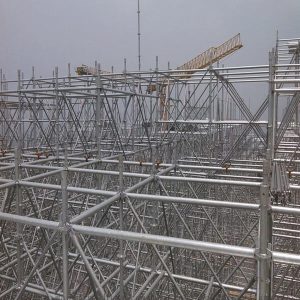
Supporti strutturali
Ambienti agricoli e rurali
Irrigazione dell'acqua
Infrastruttura di recinzione
Limitazioni e considerazioni
Sebbene i tubi zincati offrano molti vantaggi, presentano anche limitazioni di cui gli utenti dovrebbero essere consapevoli.
Limitazione
Spiegazione
Strategie di mitigazione
Corrosione interna
Con il tempo all'interno possono accumularsi depositi minerali e ruggine
Lavaggio e manutenzione regolari
Diametro ridotto nel tempo
L'accumulo di calcare restringe i tubi, riducendo la capacità di flusso
Pulizia e sostituzione periodica
Non adatto per acqua potabile (in alcuni casi)
Problemi di lisciviazione dello zinco in alcune qualità dell'acqua
Utilizzare materiali alternativi per l'acqua potabile
Deterioramento legato all'età
Dopo 40-50 anni le tubazioni potrebbero corrodersi internamente
Ispezione e sostituzione tempestiva
Comprendere queste limitazioni aiuta a pianificare la manutenzione e a scegliere i materiali delle tubazioni appropriati.
Confronto dei tubi zincati con altri materiali
Per apprezzare appieno i vantaggi dei tubi zincati, è utile confrontarli con opzioni di tubazioni alternative.
Caratteristica
Tubi in acciaio zincato
Tubi di rame
Tubi in PVC
Tubi in acciaio inossidabile
Resistenza alla corrosione
Buono (rivestimento di zinco)
Eccellente
Eccellente
Eccellente
Costo
Moderare
Alto
Basso
Alto
Durata
Lungo (40-50 anni)
Molto lungo
Da breve a moderato
Molto lungo
Resistenza meccanica
Alto
Moderare
Basso
Molto alto
Facilità di installazione
Moderare
Facile
Molto facile
Moderare
Idoneità all'acqua potabile
Limitato (preoccupazioni sullo zinco)
Eccellente
Eccellente
Eccellente
Questo confronto evidenzia la posizione dei tubi zincati come una scelta equilibrata considerando costo, robustezza e resistenza alla corrosione.
Una corretta manutenzione può prolungare significativamente la durata dei tubi zincati.
Suggerimenti per l'ispezione di routine
Cercare segni di ruggine o corrosione sulle superfici dei tubi.
Verificare la presenza di perdite o di una pressione dell'acqua ridotta.
Ispezionare raccordi e giunti per verificare la presenza di corrosione o usura.
Procedure di pulizia e riparazione
Utilizzare agenti decalcificanti per rimuovere i depositi minerali.
Sostituire tempestivamente le sezioni gravemente corrose.
Applicare rivestimenti protettivi o vernice se necessario.
Quando sostituire i tubi zincati
Dopo 40-50 anni di servizio, oppure se la corrosione interna provoca una significativa riduzione della portata.
Se si verificano perdite o guasti nonostante gli sforzi di manutenzione.
Tendenze e innovazioni future
Anche se storicamente i tubi zincati hanno funzionato bene, le innovazioni in corso mirano a superare alcuni dei loro limiti.
Nuove tecnologie di rivestimento
Leghe di zinco avanzate
Fodere protettive in polimero
Materiali alternativi
Tubi compositi che combinano acciaio con rivestimenti resistenti alla corrosione
Sistemi di tubazioni in plastica riciclabile
Fattori normativi e ambientali
Norme più severe sulla lisciviazione dello zinco
Enfasi sui materiali sostenibili ed ecologici
Conclusione
I tubi zincati rimangono una scelta affidabile, durevole ed economica per varie applicazioni idrauliche. La loro superiore resistenza alla corrosione, resistenza meccanica e facilità di installazione li rendono un'opzione ideale sia per ambienti residenziali che industriali. Tuttavia, comprenderne i limiti e una corretta manutenzione è essenziale per massimizzarne la durata. Con l’avanzare della tecnologia, i tubi zincati continuano ad adattarsi, mantenendo la loro posizione di soluzione affidabile nel settore idraulico.
Riferimenti
Associazione americana dei zincatori. (2023). Acciaio zincato: vantaggi e applicazioni. Estratto da https://galvanizeit.org
ASTM Internazionale. (2022). Specifiche standard per il rivestimento di zinco (immersione a caldo) su hardware in ferro e acciaio. ASTM A123/A123M.
Associazione Nazionale Produttori Tubi. (2023). Materiali dei tubi e loro applicazioni. Estratto da https://napp.org
Agenzia per la protezione dell'ambiente. (2021). Qualità dell'acqua e materiali delle tubazioni. Pubblicazione EPA n. 1234-5678.
Rapporti di settore. (2023). Analisi comparativa dei materiali dei tubi idraulici. Giornale di ingegneria civile e materiali .