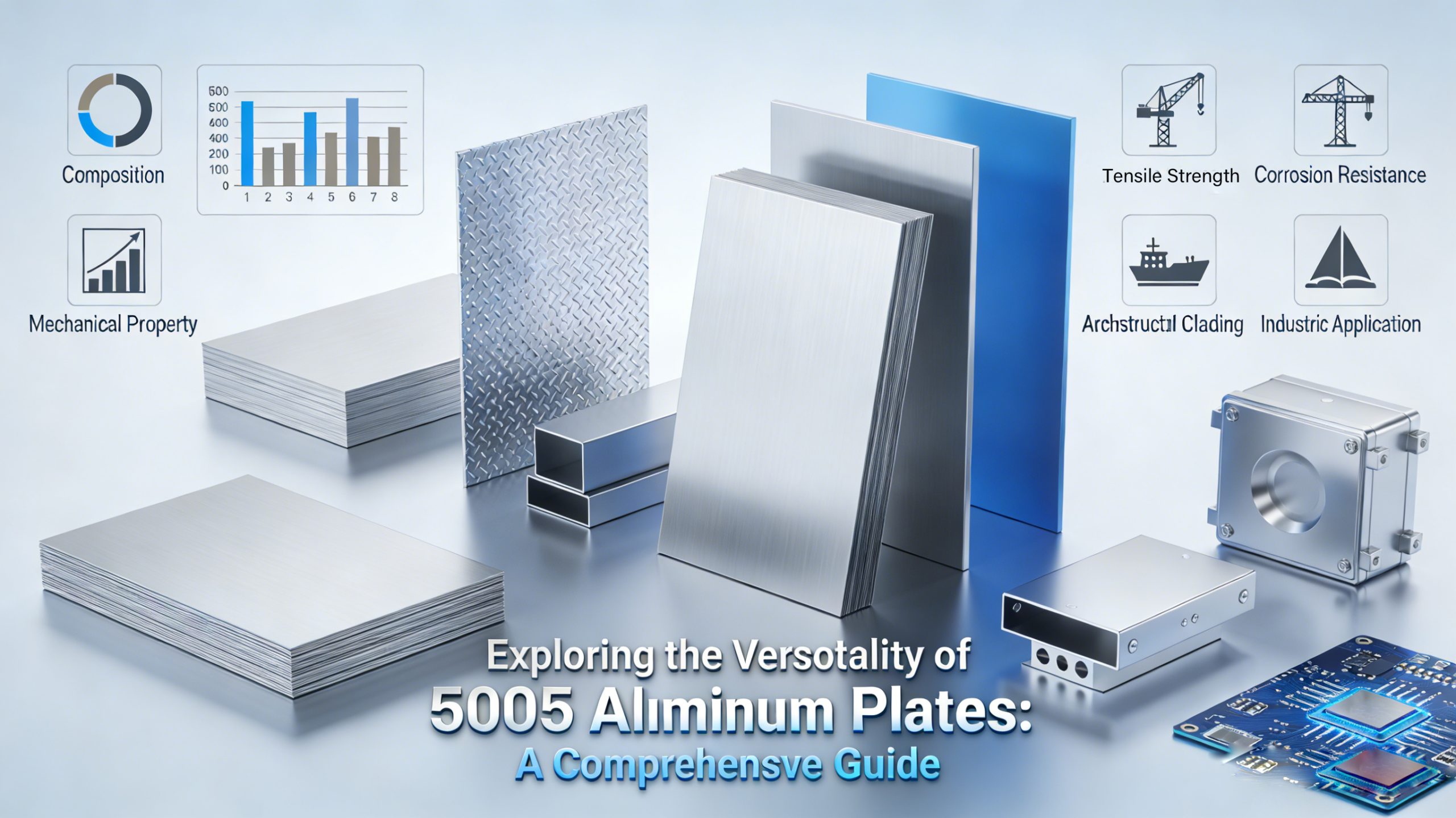
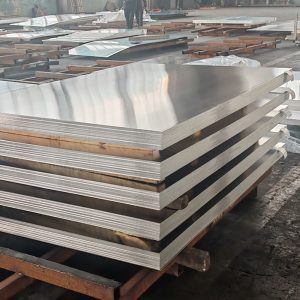
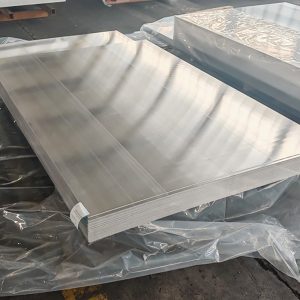
Aluminum plates are essential materials across various industries such as construction, transportation, aerospace, and manufacturing. Among the numerous aluminum alloys available, 5005 aluminum plate stands out for its remarkable combination of strength, corrosion resistance, and ease of fabrication. This comprehensive guide aims to unlock the full potential of 5005 aluminum plates, exploring their properties, applications, processing techniques, and more.
Introduction to 5005 Aluminum Plate
What is 5005 Aluminum Alloy?
5005 aluminum alloy is a member of the 5xxx series of aluminum alloys, primarily alloyed with magnesium. It is renowned for its excellent corrosion resistance, good formability, and moderate strength. Its chemical composition and mechanical properties make it suitable for a wide array of applications.
Key Features of 5005 Aluminum Plate
Corrosion Resistance: Excellent resistance to marine and atmospheric environments.
Formability: Good bending, drawing, and welding capabilities.
Strength: Moderate strength, higher than 3003 aluminum alloy.
Surface Finish: Can be anodized for aesthetic and protective purposes.
Weldability: Good welding performance.
Chemical Composition and Mechanical Properties
Chemical Composition
Element
Content (%)
Purpose
Magnesium (Mg)
0.8 – 1.0
Enhances strength and corrosion resistance
Manganese (Mn)
0.2 – 0.6
Improves strength and workability
Aluminum (Al)
Balance
Base metal, provides overall properties
Impurities
Max 0.05
Minimized to ensure quality
Note: Variations in composition may exist based on specific standards or manufacturing processes.
Mechanical Properties
Property
Typical Value
Notes
Tensile Strength (MPa)
190 – 230
Moderate strength suitable for many applications
Yield Strength (MPa)
105 – 125
Indicates the stress at which permanent deformation begins
Standard Specification for Aluminum and Aluminum-Alloy Sheet and Plate
EN 573
European standards for aluminum alloys
ISO 9001
Quality management systems certification
Ensuring compliance guarantees material performance and safety.
Handling and Storage Tips
Store in a dry, covered environment to prevent corrosion.
Use protective films during transportation.
Avoid dragging or dropping to prevent surface damage.
Use appropriate tools to cut or shape to maintain quality.
Future Trends and Innovations
Advanced Coatings
Development of eco-friendly, wear-resistant coatings.
Recycling and Sustainability
Enhanced recycling processes to reduce environmental impact.
Additive Manufacturing
Exploring 3D printing techniques for aluminum components.
Smart Materials
Integration with sensors for structural health monitoring.
Conclusion
The 5005 aluminum plate is a versatile and reliable material with a broad spectrum of applications owing to its excellent corrosion resistance, good formability, and weldability. Its unique properties make it particularly suitable for environments demanding durability and aesthetic appeal, such as marine, architectural, and electrical sectors.
Whether you are designing decorative panels, marine equipment, or electrical enclosures, 5005 aluminum plate offers a combination of strength, ease of fabrication, and environmental friendliness. By understanding its properties, processing techniques, and application areas detailed in this guide, engineers, designers, and manufacturers can harness its full potential effectively.
References
Aluminum Association. (2020). Aluminum Standards and Data.
ASTM International. (2023). ASTM B209 – Standard Specification for Aluminum and Aluminum-Alloy Sheet and Plate.
European Aluminium. (2021). Aluminium Alloys and Their Applications.