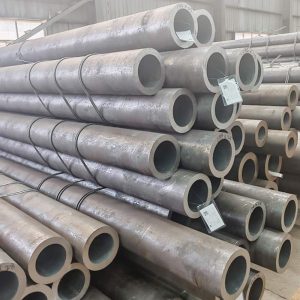
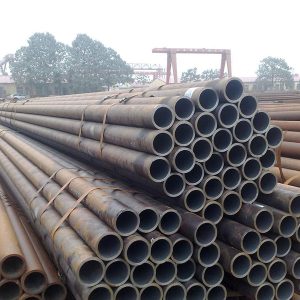
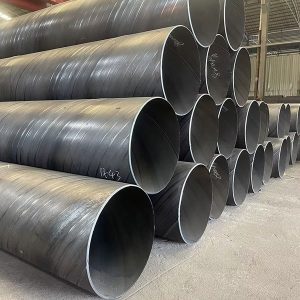
Carbon steel is one of the most widely used types of steel in the world. From construction and automotive manufacturing to pipelines and kitchenware, its strength, durability, and cost-effectiveness make it an essential material across industries.
But not all carbon steels are the same. Understanding what carbon steel is and how it’s classified helps engineers, fabricators, and buyers choose the right grade for their specific application. In this blog, we’ll explore:
What carbon steel is
How it differs from other steels
The main classification categories
Applications by type
What Is Carbon Steel?
Carbon steel is a type of steel in which carbon is the main alloying element, typically making up 0.05% to 2.0% of the material’s composition.
Unlike stainless steel, carbon steel contains no significant amount of chromium, nickel, or other corrosion-resistant elements, which means it’s more prone to rust but also more affordable and easier to work with in many industrial applications.
Key Properties:
High tensile strength
Excellent machinability (especially in low-carbon types)
Good weldability (varies by carbon content)
Cost-effective for mass production
Heat treatable (especially medium and high carbon types)
How Is Carbon Steel Made?
Carbon steel is produced by removing impurities from molten iron and adding controlled amounts of carbon and other trace elements. The main manufacturing processes include:
Basic Oxygen Furnace (BOF) – High-volume production
Electric Arc Furnace (EAF) – Used for recycling scrap steel
Hot and Cold Rolling – To shape the steel into sheets, pipes, or bars
Classification of Carbon Steel
Carbon steels are generally classified based on their carbon content. The carbon percentage greatly influences the mechanical properties such as hardness, ductility, and strength.
1. Low Carbon Steel (Mild Steel)
Carbon Content: 0.05% – 0.25%
Features: Soft, ductile, easily weldable
Common Grades: ASTM A36, 1018, 1020
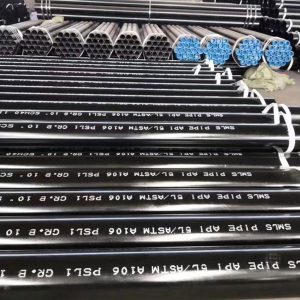
Applications: Structural beams, sheet metal, car bodies, pipes
2. Medium Carbon Steel
Carbon Content: 0.25% – 0.60%
Features: Higher strength and hardness, less ductile, heat-treatable
Household Items: Knives, hand tools, furniture frames
FAQs
Q1: Is carbon steel the same as mild steel?
A: Mild steel is a type of low carbon steel. All mild steels are carbon steels, but not all carbon steels are mild.
Q2: Can carbon steel rust?
A: Yes. Unlike stainless steel, carbon steel is prone to corrosion and often requires surface treatment or coatings.
Q3: How do I choose the right carbon steel grade?
A: Consider mechanical properties, corrosion exposure, form factor, and cost. Low carbon is best for forming, high carbon for cutting.
Q4: What’s the difference between hot-rolled and cold-rolled carbon steel?
A: Hot-rolled is processed at high temperatures and is more malleable. Cold-rolled has tighter tolerances and a smoother finish.
Conclusion
Carbon steel is a versatile material used in virtually every major industry. Whether you need something soft and weldable or ultra-strong and durable, there’s a carbon steel grade to match.
Understanding the classification system helps you make informed decisions—ensuring performance, cost-efficiency, and safety for your projects.
Contact Us
Gengfei Steel – Your Trusted Carbon Steel Supplier