






- Description
- Reviews (0)
Description
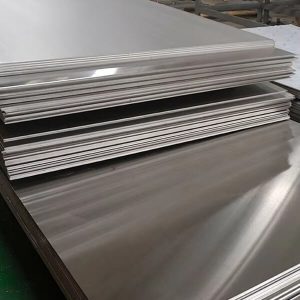
What is anodized aluminum sheet?
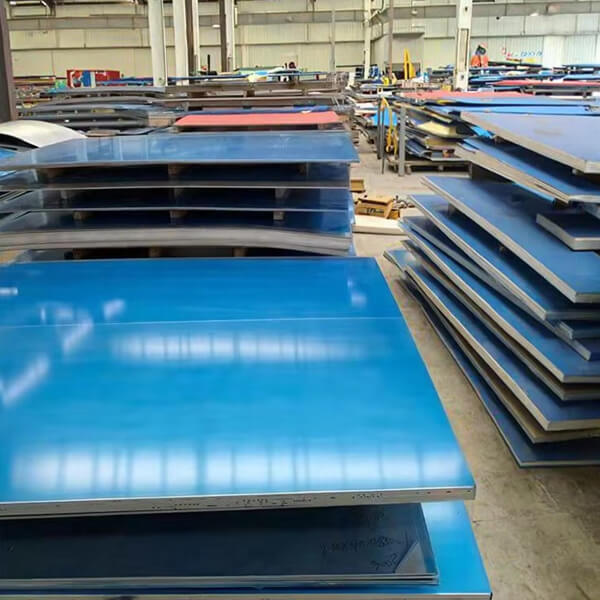
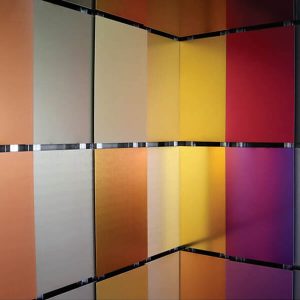
An aluminum product that has been treated with an electrolytic anodizing process, which produces a dense and strong layer of aluminum oxide (Al₂O₃) on the surface of the aluminum sheet. During the anodizing process, the aluminum sheet is immersed in an electrolyte solution such as sulfuric acid. Under the action of an electric current, aluminum acts as an anode, and oxygen ions are released from the electrolyte, which react with the aluminum surface to form a porous oxide layer with a unique honeycomb structure. This oxide film not only maintains the original lightweight and easy-to-process characteristics of the aluminum sheet, but can also be dyed to give it a rich color as needed, from low-key matte natural colors to bright metallic luster colors to meet different aesthetic and design needs. After dyeing, the pores are sealed, making the surface non-porous and extremely weather-resistant.
The process essentially simulates and greatly enhances the natural oxide layer formed by aluminum when exposed to air, but it forms a thicker, harder and more uniform oxide layer.
Advantages of Anodized Aluminum Sheet
Anodized aluminum offers a multitude of benefits that make it a superior choice for many applications:
Enhanced Durability & Hardness: The anodic layer is significantly harder than raw aluminum, rivaling the hardness of sapphire (a form of corundum). This makes it highly resistant to scratches, abrasions, and general wear and tear, outperforming many paints and coatings in durability tests.
Superior Corrosion Resistance: The thick, dense oxide layer acts as an excellent barrier against environmental factors such as moisture, salt, chemicals, and industrial pollutants. This makes it ideal for outdoor, marine, and industrial applications.
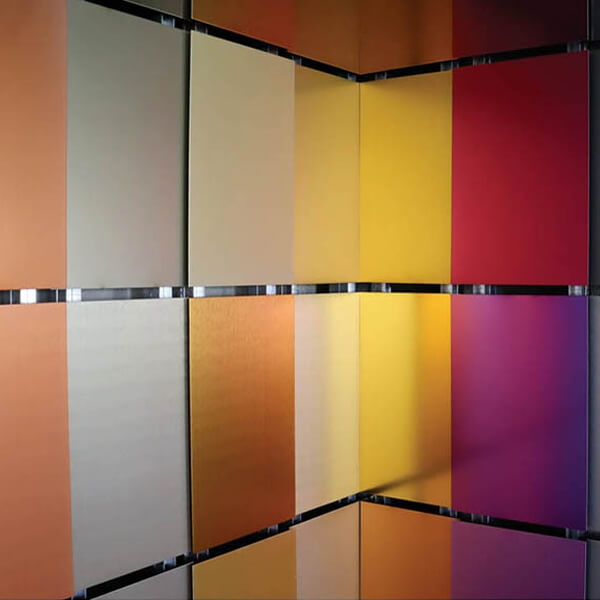
Aesthetic Appeal & Color Versatility: Anodizing creates a smooth, uniform finish that can be clear (allowing the natural metallic luster to show through) or dyed in a wide array of vibrant, available in 20+ metallic colors with matte/satin/gloss finishes, UV-stable colors like bronze, gold, black, and various metallic tones. This offers designers and architects immense creative freedom.
UV Stability & Fade Resistance: Unlike many painted surfaces that can chalk, chip, or fade over time due to UV exposure, anodized aluminum is highly resistant to sunlight, maintaining its color and appearance for decades.
Excellent Adhesion for Further Treatments: The initial porous nature of the anodic layer provides an ideal base for better adhesion of paints, inks, and other coatings if desired.
Low Maintenance: The hard, non-porous surface resists dirt, grime, and fingerprints, making it easy to clean with mild soap and water. It does not chip, peel, or flake, significantly reducing long-term maintenance costs.
Lightweight & High Strength-to-Weight Ratio: Aluminum itself is lightweight, and the anodizing process adds minimal weight while significantly enhancing its surface properties. This makes it an attractive material for applications where weight reduction is crucial without compromising strength.
Electrical Insulation: The anodic oxide layer is an excellent electrical insulator, preventing electrical currents from passing through the surface. This is valuable in electronic components and enclosures.
Environmentally Friendly: Anodizing is an environmentally responsible process. The anodic layer is composed of aluminum oxide, which is non-toxic and stable. The process itself generates fewer harmful emissions compared to many painting processes, and anodized aluminum is 100% recyclable, containing zero volatile organic compounds (VOCs).
Parameter Tables for Anodized Aluminum Plate
| Parameter | Common Ranges/Options | Notes |
|---|---|---|
| Material Grade | 1000 series (pure Al), 3000 series (Al-Mn), 5000 series (Al-Mg), 6000 series (Al-Mg-Si) | 6061 and 5052 are popular for anodizing due to their corrosion resistance. |
| Thickness | 0.1 mm – 10 mm | Thinner sheets (0.1–2 mm) are common for decorative purposes; thicker sheets for structural use. |
| Anodize Layer Thickness | 5–25 microns (μm) | Thicker layers (15–25 μm) are used for outdoor applications; thinner (5–10 μm) for indoor. |
| Surface Finish | Matte, semi-gloss, gloss; brushed, polished, or textured patterns | Brushed finishes are popular for hiding scratches; polished for a mirror-like effect. |
| Color Options | Natural (silver), black, bronze, gold, red, blue, green, custom colors | Dyed using organic or inorganic pigments; natural anodize is often silver-gray. |
| Mechanical Properties | Tensile strength: 100–300 MPa; Yield strength: 50–250 MPa; Elongation: 5–20% | Varies by alloy grade; 6061-T6 offers high strength for structural applications. |
| Corrosion Resistance | Passes salt spray tests (e.g., 500–1000 hours in ASTM B117) | Depends on anodize layer thickness and sealing process. |
Applications of Anodized Aluminum Plate
The unique combination of properties makes anodized aluminum sheet suitable for a diverse range of industries and applications:
Architecture & Building: Building facades, roofing systems, window and door frames, interior and exterior panels, decorative trim, vents, awnings.
Consumer Goods: Appliance exteriors, cookware (non-reactive and durable), smartphone and laptop enclosures, camera bodies, sporting equipment (e.g., bicycle frames, golf club heads), furniture.
Automotive & Aerospace: Trim pieces, wheel covers, engine parts, structural components where lightweight and durability are critical.
Electronics: Heat sinks, protective enclosures for sensitive electronic devices, electrical insulation components.
Signage & Displays: Durable and visually appealing signs, display cases.
Food Industry: Display cases, pans, coolers, grills due to its non-toxic and easy-to-clean surface.
Medical Equipment: Surgical instruments, diagnostic machines, dental appliances, where hygiene and durability are paramount.
Marine Applications: Ladders, poles, frames, and other accessories where saltwater corrosion resistance is crucial.
Solar Panels: Frames and structures supporting solar cells, providing protection against corrosion and weathering.
Art & Jewelry: Due to its ability to take vibrant colors and its durable finish.

What are the differences between Anodized Aluminum Sheet and other Aluminum Sheets?
| Feature | Anodized Aluminum | Unanodized Aluminum | Painted Aluminum | Powder-Coated Aluminum |
|---|---|---|---|---|
| Corrosion Resistance | ★★★★★ | ★★★ | ★★★☆ | ★★★★☆ |
| Surface Hardness | ★★★★☆ | ★★☆ | ★★☆ | ★★★☆ |
| Color Longevity | ★★★★☆ | N/A | ★★★ | ★★★★ |
| Maintenance Requirement | Low | Medium | High | Medium |
| Cost (Initial/Long-Term) | High/Low | Low/Medium | Medium/High | Medium/Medium |
| Environmental Friendliness | High | Medium | Low | Medium |
Reviews
There are no reviews yet.