

Stainless steel is one of the most versatile and widely used materials in modern manufacturing and engineering. Among the numerous grades of stainless steel available, 304 stainless steel stands out as the most common and widely used type, valued for its excellent corrosion resistance, strength, and formability.
Whether you are working in construction, food processing, chemical manufacturing, or home appliance production, chances are you have encountered 304 stainless steel in some capacity. This grade of stainless steel has earned its popularity not only because of its cost-effectiveness but also due to its durability, aesthetic appeal, and hygienic properties.
This article explores 304 stainless steel in detail, from its chemical composition and physical properties to its manufacturing, applications, and comparisons with other stainless steel grades.
What Is 304 Stainless Steel?
Definition
304 stainless steel is an austenitic stainless steel that belongs to the 300 series family. It is an iron-based alloy that contains 18% chromium and 8% nickel, giving it excellent corrosion resistance, good mechanical properties, and ease of fabrication.
It is often referred to as 18/8 stainless steel, denoting its chromium and nickel content. It is non-magnetic in its annealed state, although it may become slightly magnetic when cold worked.
Chemical Composition of 304 Stainless Steel
The typical composition of 304 stainless steel is as follows:
| Element | Content (Weight %) |
|---|---|
| Chromium (Cr) | 18.0–20.0% |
| Nickel (Ni) | 8.0–10.5% |
| Carbon (C) | ≤ 0.08% |
| Manganese (Mn) | ≤ 2.00% |
| Silicon (Si) | ≤ 0.75% |
| Phosphorus (P) | ≤ 0.045% |
| Sulfur (S) | ≤ 0.030% |
| Nitrogen (N) | ≤ 0.10% |
| Iron (Fe) | Balance |
The high chromium content provides oxidation and corrosion resistance, while nickel enhances formability and toughness. The low carbon content helps prevent carbide precipitation during welding, which can otherwise reduce corrosion resistance.
Physical and Mechanical Properties
Physical Properties
| Property | Value |
|---|---|
| Density | 8.00 g/cm³ |
| Melting Point | 1400–1450°C |
| Thermal Conductivity | 16.2 W/m·K |
| Electrical Resistivity | 0.72 µΩ·m |
| Modulus of Elasticity | 193 GPa |
| Specific Heat | 500 J/kg·K |
| Coefficient of Expansion | 17.2 µm/m·°C |
Mechanical Properties (Annealed Condition)
| Property | Value |
|---|---|
| Tensile Strength | 515–750 MPa |
| Yield Strength (0.2% offset) | ≥ 205 MPa |
| Elongation (in 50 mm) | ≥ 40% |
| Hardness (Brinell) | ≤ 201 HB |
These properties make 304 stainless steel suitable for both high-load and aesthetically sensitive applications.
Corrosion Resistance
One of the most important properties of 304 stainless steel is its excellent resistance to corrosion in a wide variety of environments:
- Atmospheric corrosion: Resists rust in most environmental conditions.
- Chemical corrosion: Performs well in most oxidizing acids, especially nitric acid.
- Fresh water and food environments: Ideal for hygienic surfaces in food processing and storage.
- Moderate chloride exposure: Offers decent resistance to chloride-containing environments, although not as robust as 316 stainless steel.
However, 304 stainless steel is vulnerable to pitting corrosion in high-chloride environments like marine settings or in prolonged contact with salt solutions.
Fabrication and Formability
Machinability
- 304 stainless steel has fair machinability and is considered average compared to other stainless steels.
- Use of carbide tooling, slow speeds, and adequate lubrication is recommended.
Weldability
- Excellent weldability using standard fusion methods (MIG, TIG, spot welding).
- It does not require post-weld annealing in most cases.
- Susceptible to sensitization (chromium carbide precipitation) at heat-affected zones unless a low-carbon version like 304L is used.
Forming and Bending
- 304 stainless steel has excellent ductility and can be deep drawn, bent, or cold formed without cracking.
- Suitable for stamping and roll forming operations.
Heat Treatment
304 stainless steel cannot be hardened by heat treatment. It is hardened only by cold working.
Annealing
- Recommended temperature: 1010–1120°C.
- Followed by rapid cooling (usually water quenching) to prevent sensitization.
Stress Relieving
- Performed at around 400–450°C for relieving cold work stresses without significantly reducing corrosion resistance.
Variants of 304 Stainless Steel
304L Stainless Steel
- Low-carbon version (≤ 0.03% C) of 304.
- Better resistance to intergranular corrosion after welding.
- Preferred for heavy gauge welded components.
304H Stainless Steel
- High-carbon version (0.04–0.10% C).
- Enhanced strength at elevated temperatures.
- Used in high-temperature and high-pressure applications such as boilers and heat exchangers.



Applications of 304 Stainless Steel
Thanks to its properties, 304 stainless steel is used in a broad range of industries and products:
Food and Beverage Industry
- Kitchen sinks
- Cooking utensils
- Dairy and brewery equipment
- Food processing tanks and conveyors
Medical and Pharmaceutical
- Surgical instruments
- Hospital trays and trolleys
- Cleanroom fixtures
Construction and Architecture
- Handrails and guardrails
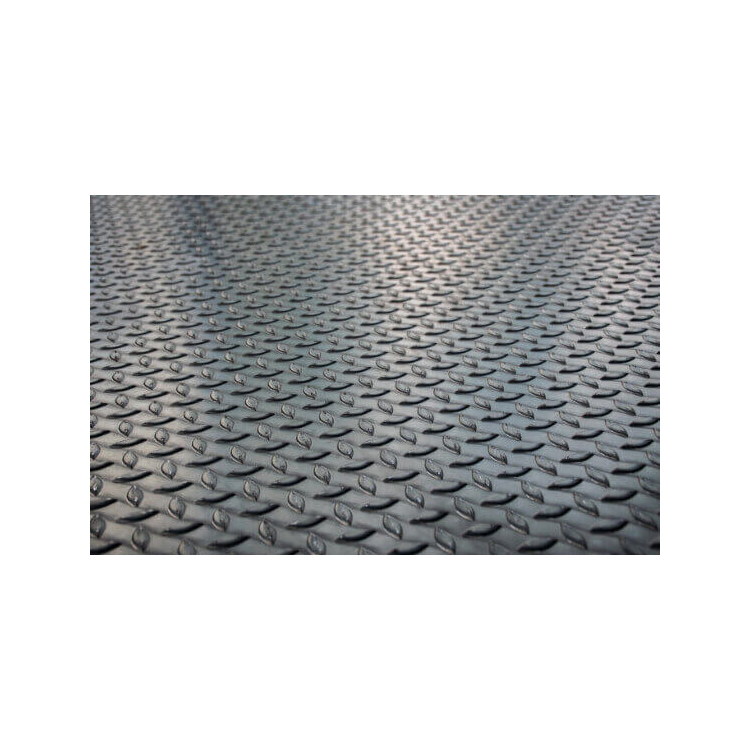
- Wall panels and roofing
- Decorative trims
Automotive and Transportation
- Exhaust systems
- Trims and moldings
- Fuel tanks
Chemical and Petrochemical
- Storage tanks
- Heat exchangers
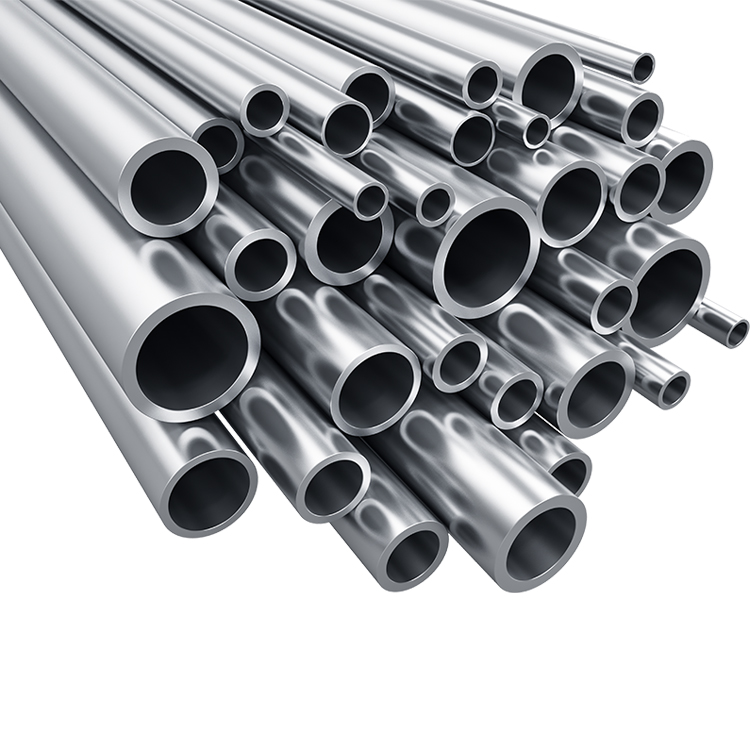
- Piping systems
Consumer Products
- Appliances (ovens, dishwashers, refrigerators)
- Furniture
- Fasteners and screws
Advantages of 304 Stainless Steel
- Corrosion Resistance: Suitable for a wide range of corrosive environments.
- Formability: Easily bent, welded, and fabricated.
- Strength and Toughness: Maintains mechanical integrity even at low and moderately high temperatures.
- Aesthetic Appeal: Smooth, bright, and easy to clean surface.
- Hygienic: Non-porous and easy to sanitize, ideal for food and medical use.
- Recyclability: 100% recyclable, making it an environmentally friendly option.
Limitations and Considerations
While 304 stainless steel offers many benefits, there are a few limitations:
- Chloride Sensitivity: Can corrode in saline environments; use 316 for marine applications.
- Work Hardening: Becomes harder and less ductile when cold worked, which can complicate further processing.
- Cost: More expensive than carbon steels, although cheaper than higher-alloy stainless grades.
304 vs. 316 Stainless Steel
A common question is the difference between 304 and 316 stainless steel. The main distinction is molybdenum.
| Feature | 304 Stainless Steel | 316 Stainless Steel |
|---|---|---|
| Chromium | 18% | 16% |
| Nickel | 8% | 10% |
| Molybdenum | 0% | 2–3% |
| Corrosion Resistance | Excellent | Superior, especially to chlorides |
| Cost | Lower | Higher (~20–30% more) |
| Applications | General-purpose | Marine, pharmaceutical, chemical processing |
Sustainability and Recycling
Stainless steel is one of the most recyclable materials in the world. Approximately 60% of stainless steel products are made from recycled materials. 304 stainless steel:
- Reduces the need for virgin materials.
- Offers long life spans.
- Minimizes environmental impact due to corrosion resistance and durability.
Conclusion
304 stainless steel is a cornerstone material in countless industries due to its balance of strength, corrosion resistance, and workability. Its widespread use in everything from kitchen appliances to industrial processing equipment speaks to its reliability and adaptability.
Understanding the properties and applications of 304 stainless steel helps manufacturers, engineers, and designers select the right materials for their projects, ensuring performance, durability, and cost-effectiveness.
As materials science continues to evolve, 304 stainless steel remains a foundational alloy—proven, dependable, and adaptable for the needs of today and tomorrow.
Gengfei Provides High Quality 304 Stainless Steel
Please let us know your procurement requirements, and we will quickly tailor the most competitive quotation for you.
- [email protected]
- +86 19139863252
- Jenny-GFSteel

