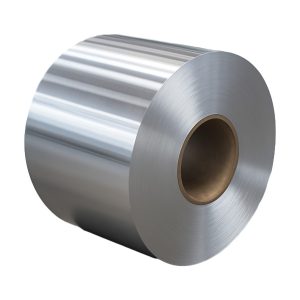
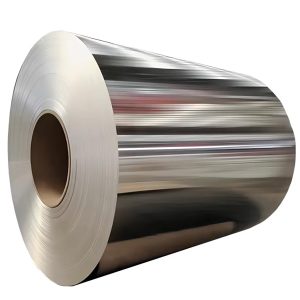
Алюминиевые стержни стали важным компонентом во многих отраслях промышленности благодаря их исключительной универсальности, соотношению прочности и веса, устойчивости к коррозии и простоте изготовления. Независимо от того, участвуете ли вы в строительстве, автомобилестроении, аэрокосмической отрасли, производстве или проектах «сделай сам», понимание свойств, типов, применения и методов обработки алюминиевых прутков может значительно улучшить результаты вашего проекта. В этом подробном руководстве рассматриваются множество аспектов алюминиевых стержней, демонстрируя их потенциал в качестве идеального металлического решения.
Введение в алюминиевые стержни
Алюминиевые стержни — это твердые удлиненные куски алюминия различных форм, размеров и сплавов. Они служат основным сырьем для изготовления комплектующих, конструктивных элементов и декоративных изделий. Их легкий вес в сочетании с долговечностью делает их привлекательным выбором как для инженеров, дизайнеров, так и для любителей.
Почему стоит выбрать алюминиевые стержни?
Свойство
Выгода
Легкий вес
Легче обращаться, транспортировать и устанавливать
Коррозионная стойкость
Подходит для наружного и морского применения.
Высокое соотношение прочности к весу
Обеспечивает долговечность без добавления лишнего веса.
Отличная механизм
Облегчает точную обработку и изготовление.
Good Thermal & Electrical Conductivity
Идеально подходит для электротехники и теплопередачи.
Переработка
Экологически чистый, поддерживает устойчивые практики
Виды алюминиевых стержней
Алюминиевые стержни классифицируются в зависимости от состава сплава, состояния и формы. Наиболее распространенные формы включают круглые, квадратные и прямоугольные стержни.
1. Формы и их применение
Форма
Общее использование
Круглые стержни
Валы, оси, крепеж, декоративные элементы
Квадратные стержни
Конструктивные элементы, каркасы, мебель
Прямоугольные стержни
Конструкция, кронштейны, детали машин
2. Серии сплавов и их характеристики.
Алюминиевые сплавы классифицируются на серии в зависимости от их основных легирующих элементов. Вот сводная таблица:
Правильный уход обеспечивает долговечность и производительность.
Задача обслуживания
Рекомендации
Уборка
Используйте мягкое мыло и воду; избегайте абразивных материалов
Предотвращение коррозии
Регулярные проверки, защитные покрытия
Хранилище
Хранить в сухих закрытых помещениях
Ремонт и восстановление
Своевременно устраняйте повреждения поверхности, чтобы предотвратить коррозию.
Будущие тенденции и инновации
Эволюция технологии изготовления алюминиевых прутков продолжает открывать новые возможности:
Усовершенствованные сплавы: Разработка высокоэффективных сплавов с повышенной прочностью и коррозионной стойкостью.
Нанотехнологии: Модификации поверхности на наноуровне для улучшения свойств.
Переработка и устойчивое развитие: Повышенное внимание к экологически чистым производственным процессам.
Аддитивное производство: Использование алюминиевых порошков и брусков в 3D-печати сложных деталей.
Заключение
Алюминиевые стержни представляют собой универсальный и ценный ресурс в современной промышленности и ремесле. Их уникальное сочетание легкости, прочности, коррозионной стойкости и простоты обработки делает их пригодными для широкого спектра применений. Понимая различные типы, свойства и методы обработки, пользователи могут использовать весь потенциал алюминиевых прутков для инноваций и оптимизации своих проектов. По мере развития технологий алюминиевые стержни, несомненно, будут продолжать играть ключевую роль в формировании устойчивых, эффективных и инновационных решений во всех секторах.
Ссылки
Алюминиевая ассоциация. (2023). Стандарты и данные по алюминию.
АСМ Интернешнл. (2022). Алюминий и алюминиевые сплавы.
Матвеб. (2023). База данных свойств материалов.
Отраслевые отчеты о тенденциях в металлургическом производстве (2023 г.).
Каталоги производителей и технические паспорта.
Это руководство призвано стать всеобъемлющим ресурсом для понимания силы и потенциала алюминиевых стержней. Будь то промышленное применение или творческие начинания, алюминиевые стержни предлагают надежное и универсальное металлическое решение, способствующее успеху вашего проекта.
PDF скачать : Скачать